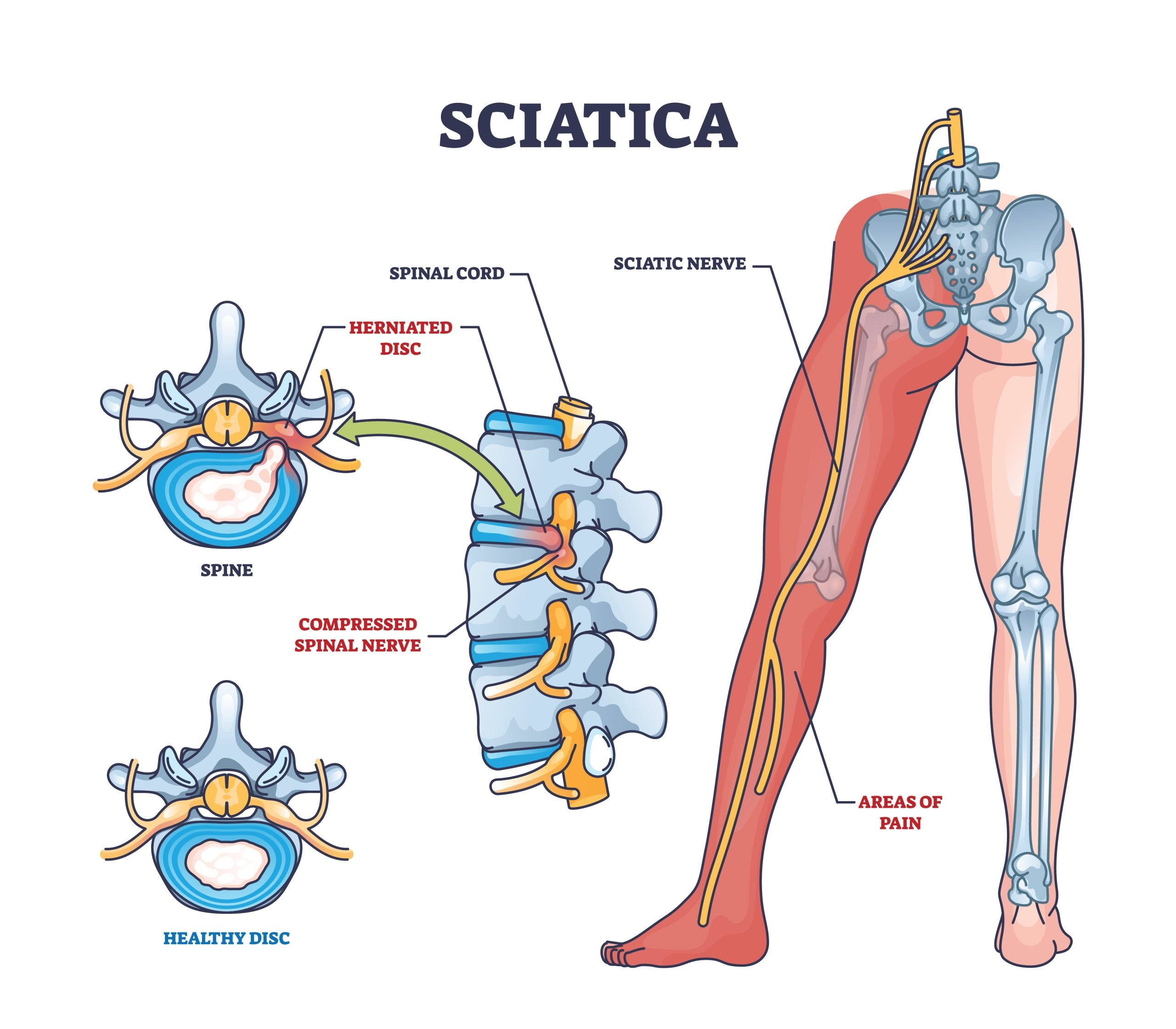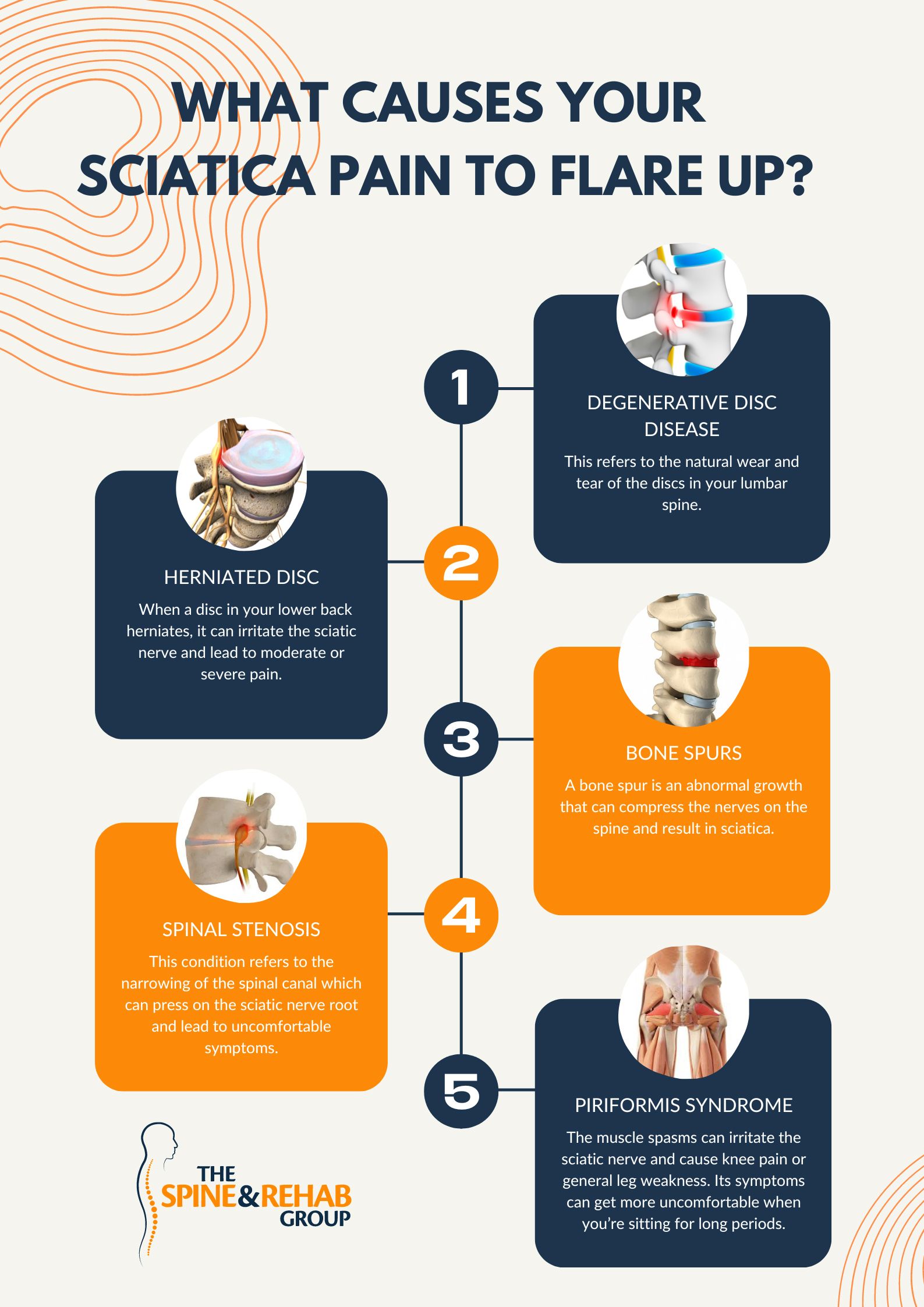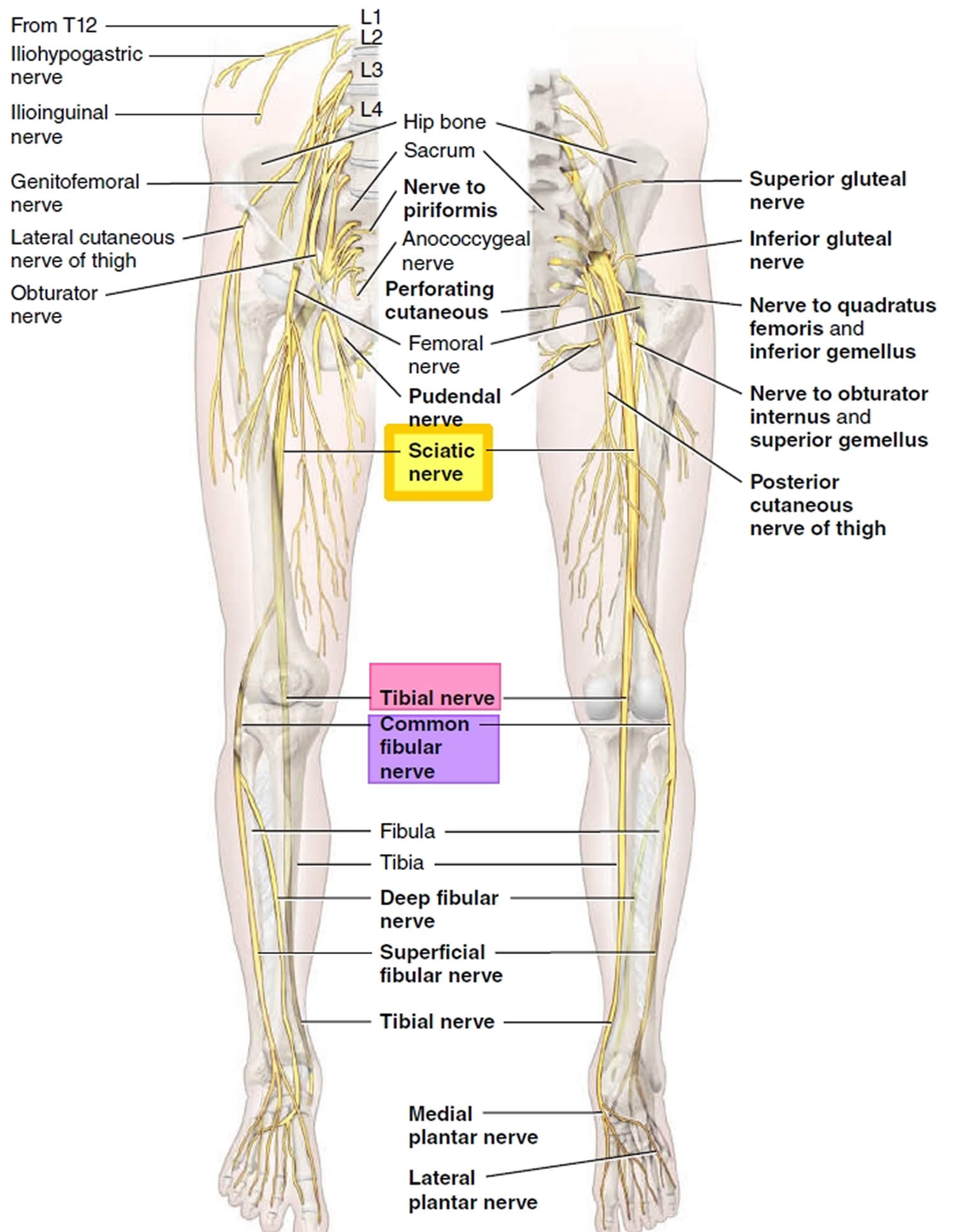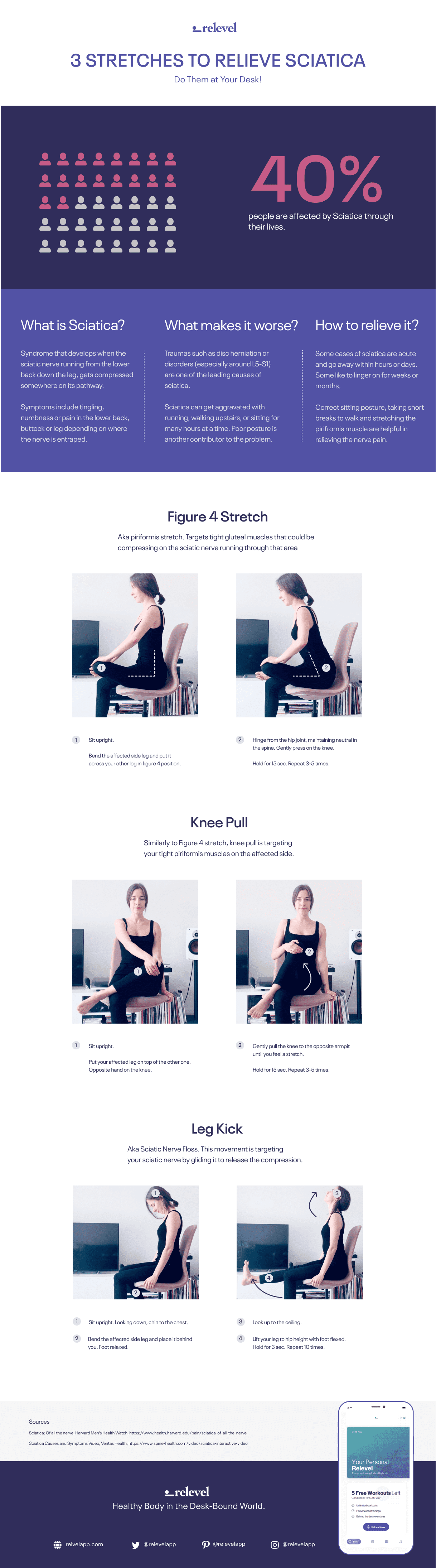
The Science Behind An Effective Desk Setup For Sciatica Relief Sciatica, a common condition characterized by pain, numbness, and tingling in the lower back and legs, affects millions of people worldwide. An effective desk setup can play a significant role in alleviating this discomfort. Research has shown that poor posture and inadequate workspace design contribute to the development of sciatica. Optimize Your Workspace For Better Back Health
A desk setup that promotes good posture and reduces strain on the lower back can help mitigate the symptoms of sciatica. Studies have demonstrated that a properly aligned desk setup can reduce the curvature of the lower back by up to 25%, thereby decreasing the pressure on the sciatic nerve. This is achieved by ensuring the monitor is at eye level, the keyboard and mouse are positioned to allow for a neutral wrist and arm posture, and the chair height allows for a 90-degree angle between the thighs and torso. By incorporating these ergonomic principles, individuals can reduce the risk of sciatica and related discomfort.
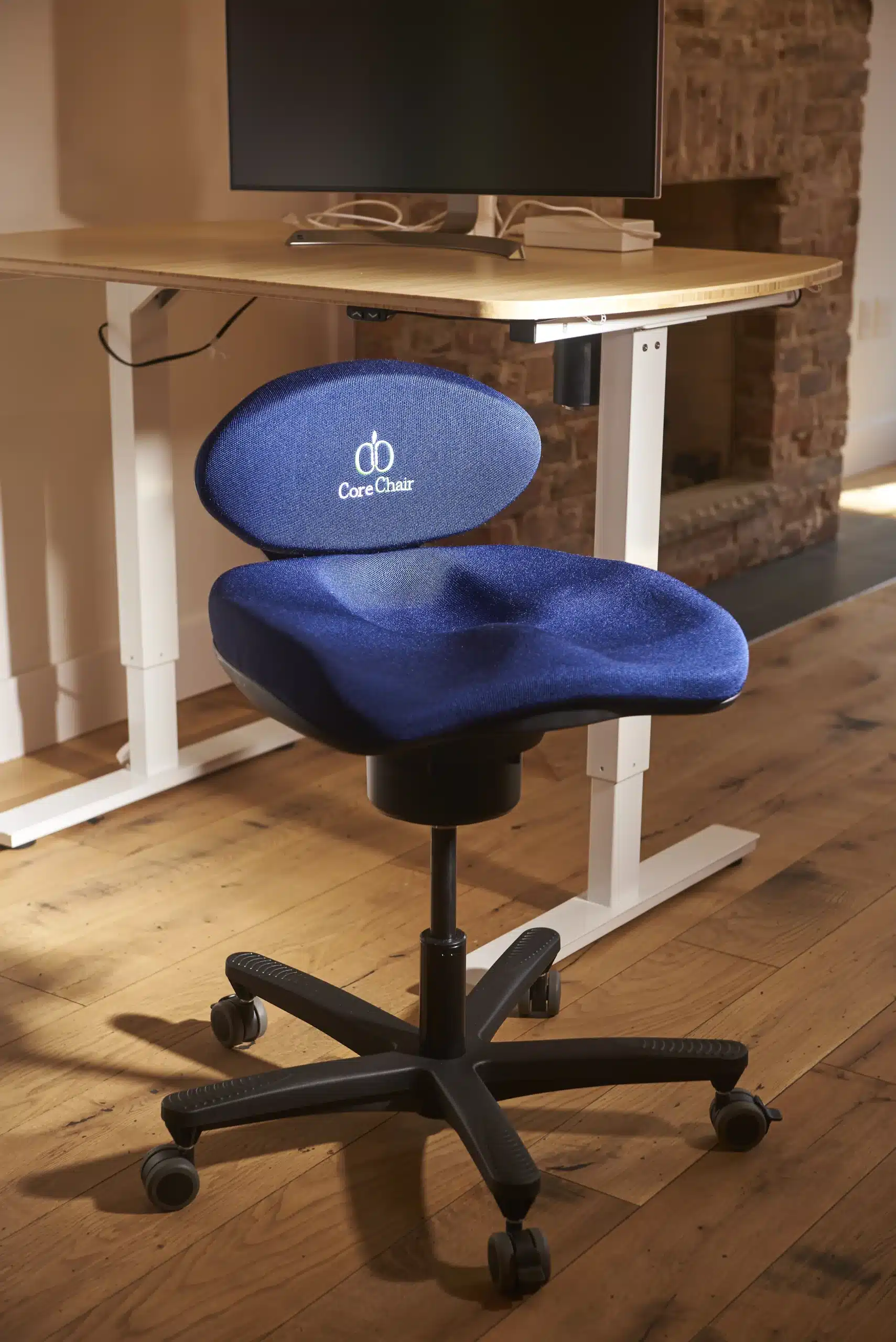
Furthermore, research has identified the importance of lumbar support and proper foot positioning in alleviating sciatica symptoms. Space Saving Dorm Desk Decor Ideas For Minimalists A chair with adequate lumbar support can help maintain the natural curvature of the lower back, reducing pressure on the sciatic nerve. Additionally, keeping the feet flat on the floor or on a footrest can help prevent strain on the lower back and reduce discomfort. By incorporating these ergonomic principles into a desk setup, individuals can create a workspace that promotes good posture and reduces the risk of sciatica.
By taking the necessary steps to design an effective desk setup, individuals can alleviate discomfort and improve their overall quality of life.