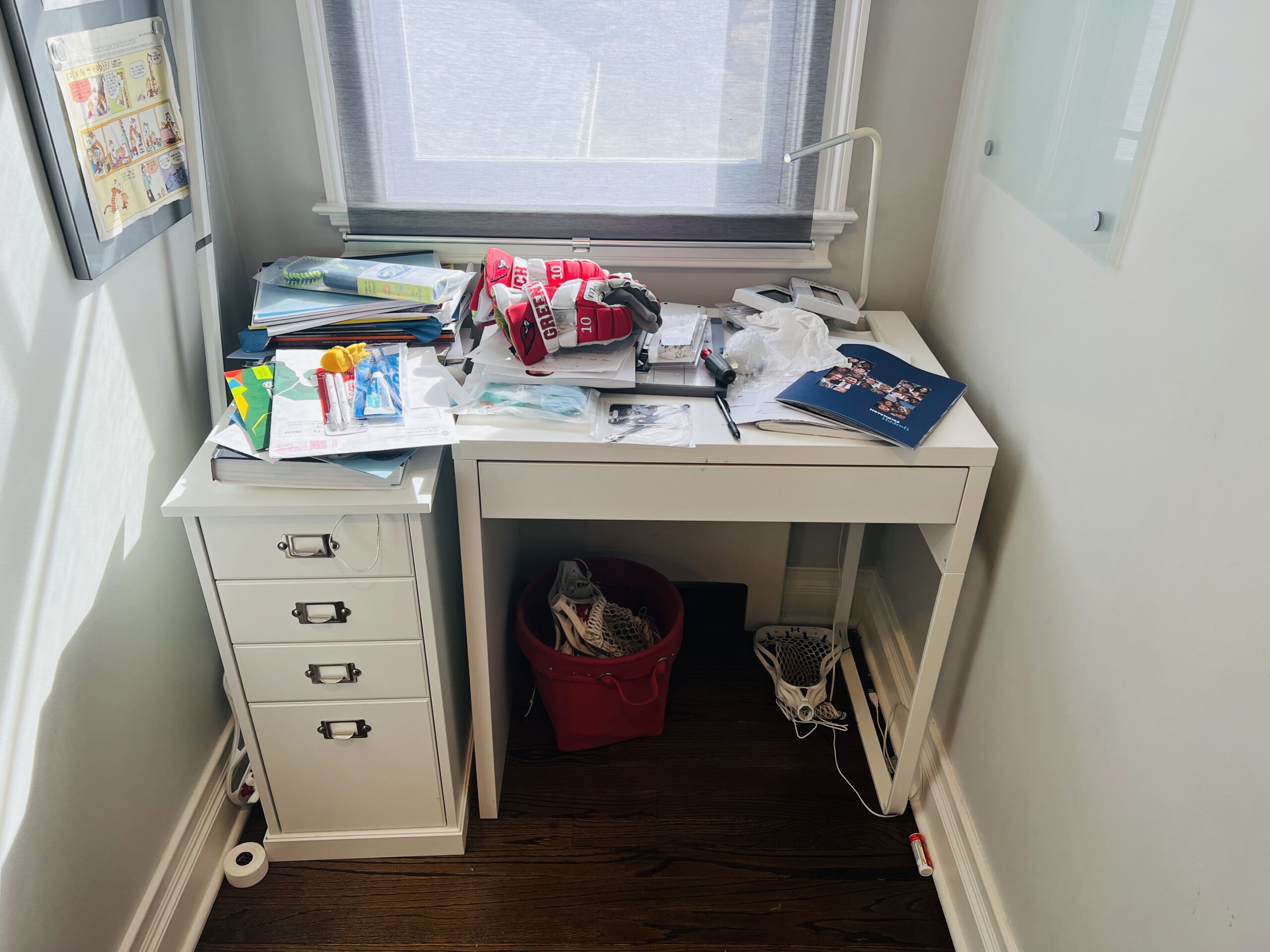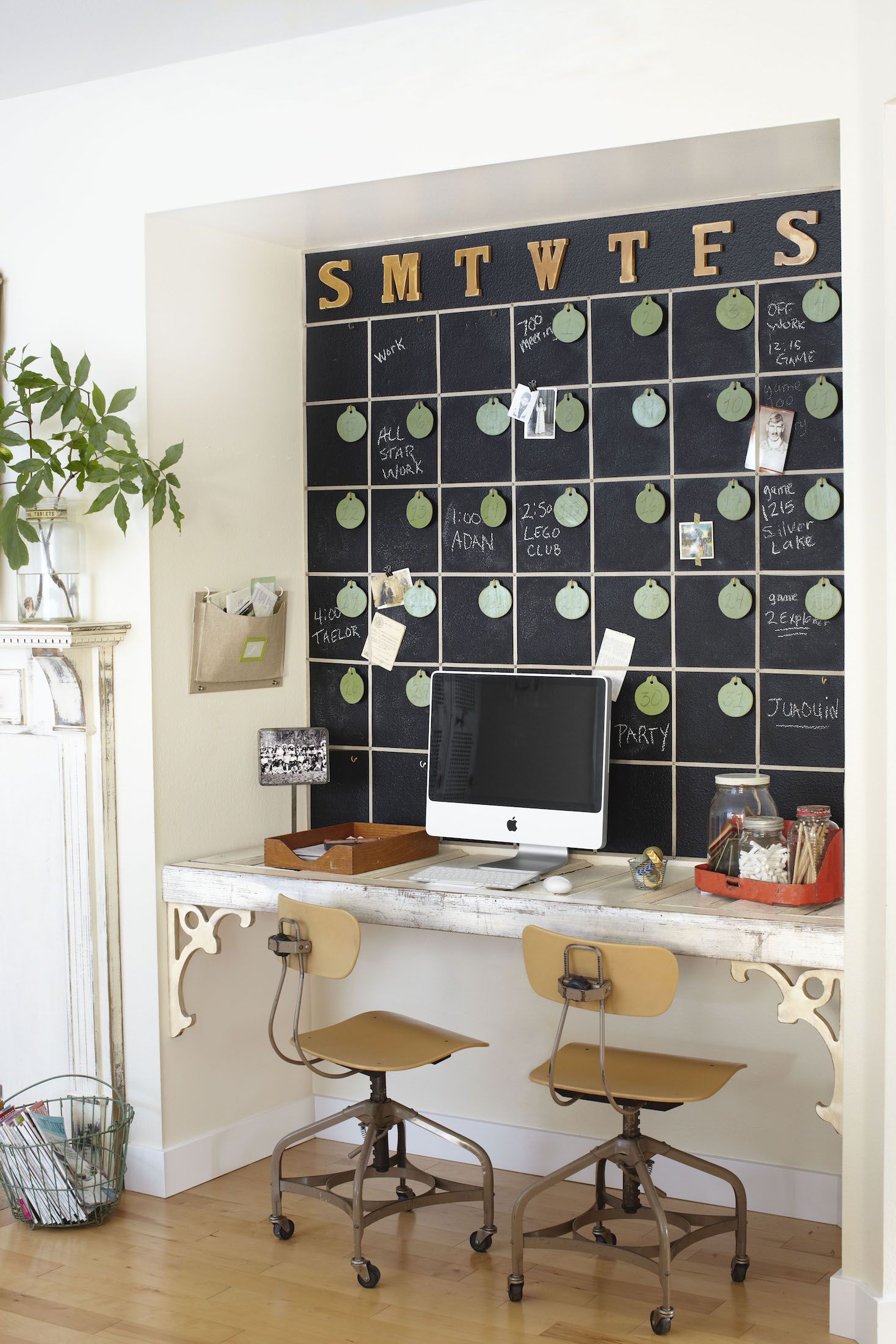
Linux Terminal on Your Desktop: Desk Organization Tips As a Linux user, you're likely no stranger to the power and flexibility of the terminal. With a terminal open on your desktop, you can efficiently manage your files, run commands, and automate tasks with ease. However, a cluttered terminal can quickly turn what was once a productivity powerhouse into a hindrance. Boost Your Linux Productivity With A Well-Designed Workspace
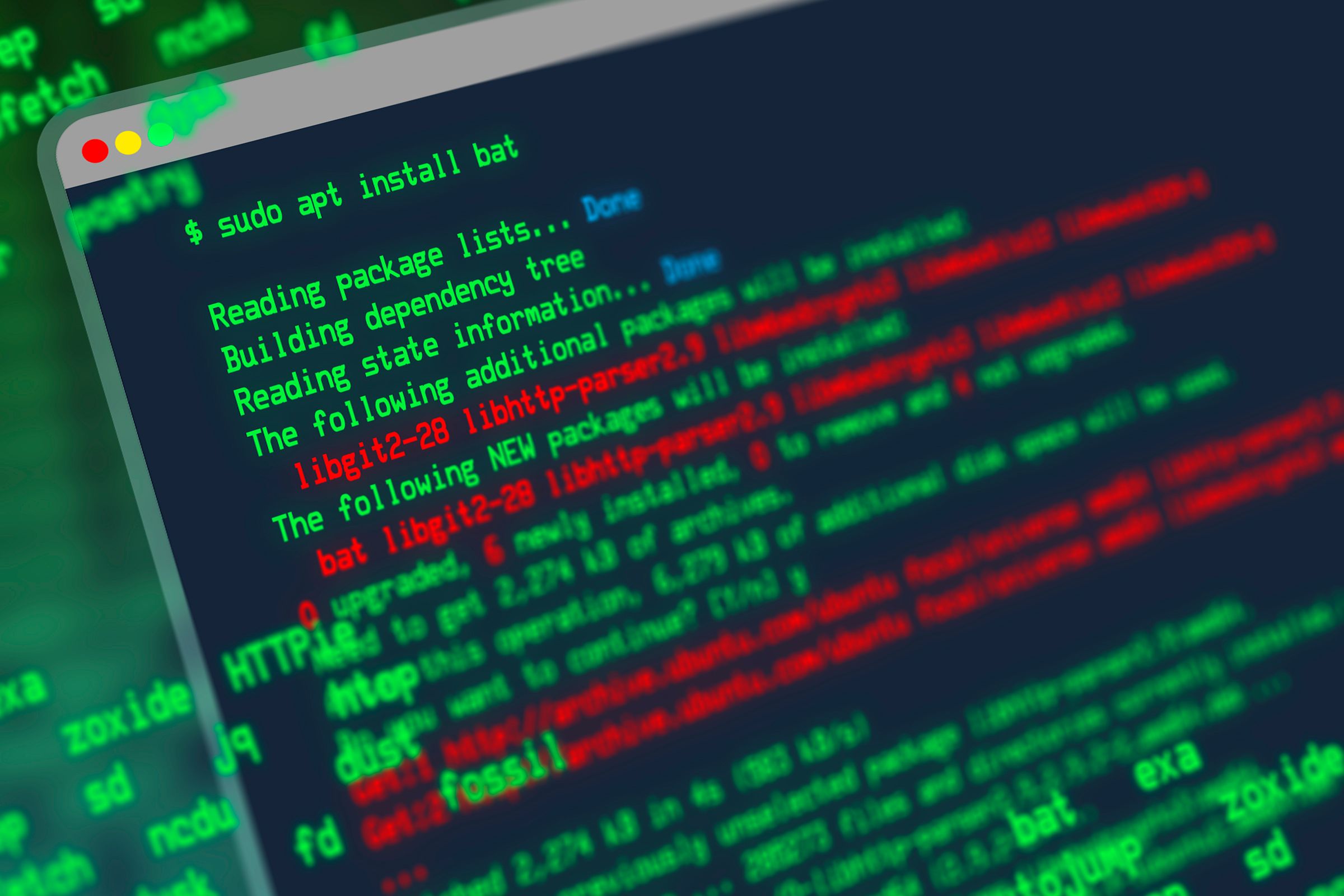
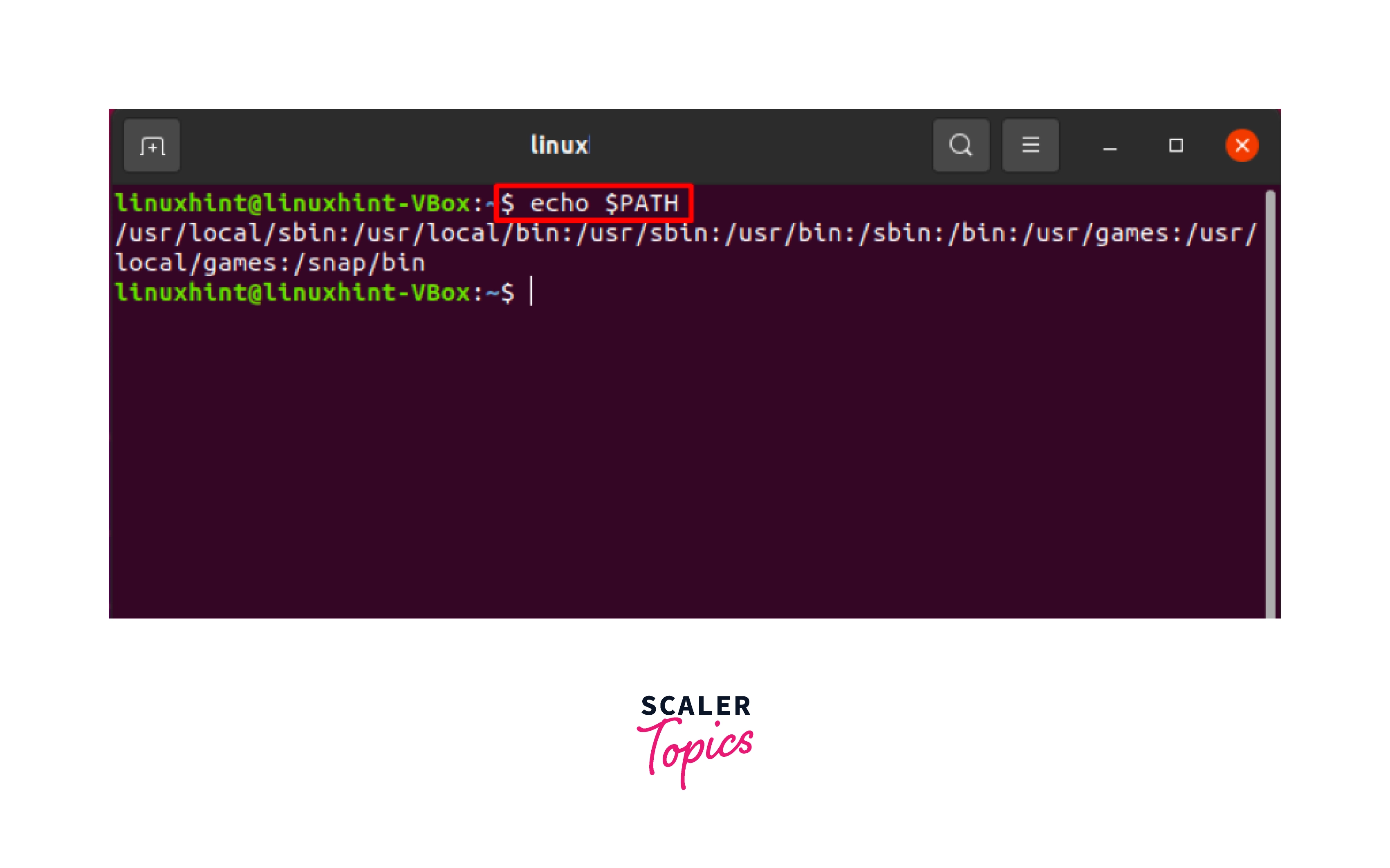
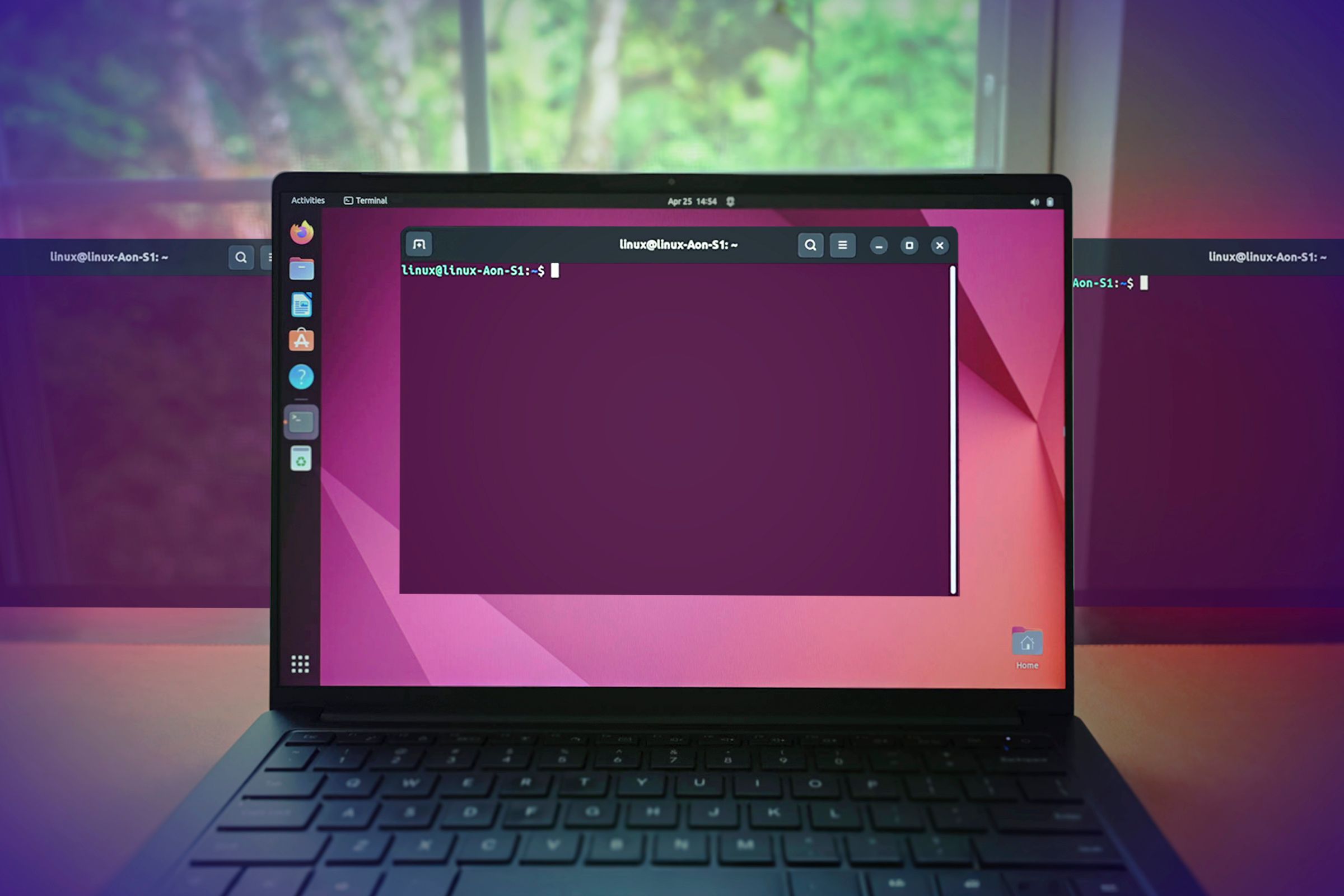
A well-organized terminal on your Linux desktop is crucial for streamlining your workflow and reducing stress. To tame the terminal chaos, start by reorganizing your command history. Utilize the "history" command to view and manage previously entered commands, and the "Ctrl+R" function to search for specific commands. Consider upgrading to a terminal application that offers customizable themes and layouts, such as Terminator and Terminal, to help you better maintain your command history and window organization.
Another crucial aspect of terminal organization is managing your terminal windows. From Chaos To Productivity: Linux Desk Organization Hacks Use multiple profiles or tabs to separate tasks and projects, each with its own set of commands and configurations. Apply a color-coded scheme to differentiate between windows and easily spot necessary information. Regularly clean up your current working directory by deleting unnecessary files, updating your package manager, and organizing your scripts into logical folders.
Keeping your terminal well-organized will significantly boost your productivity and help you make the most of the Linux terminal on your desktop. By implementing these simple organization strategies, you can quickly and efficiently navigate your files, launch tasks, and reduce the clutter that can sometimes overwhelm the terminal. The Ultimate Guide To Creating A Versatile Linux Workspace