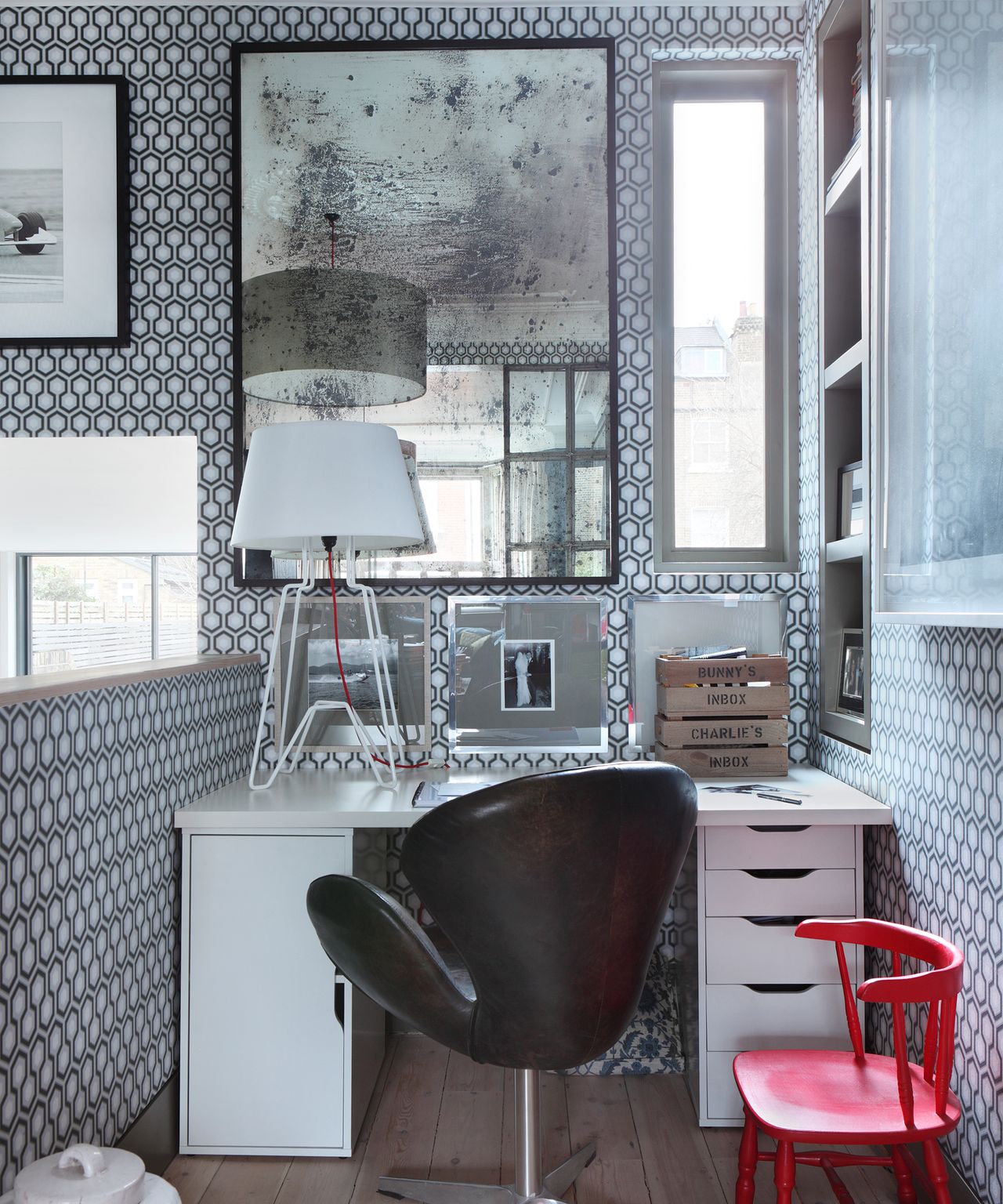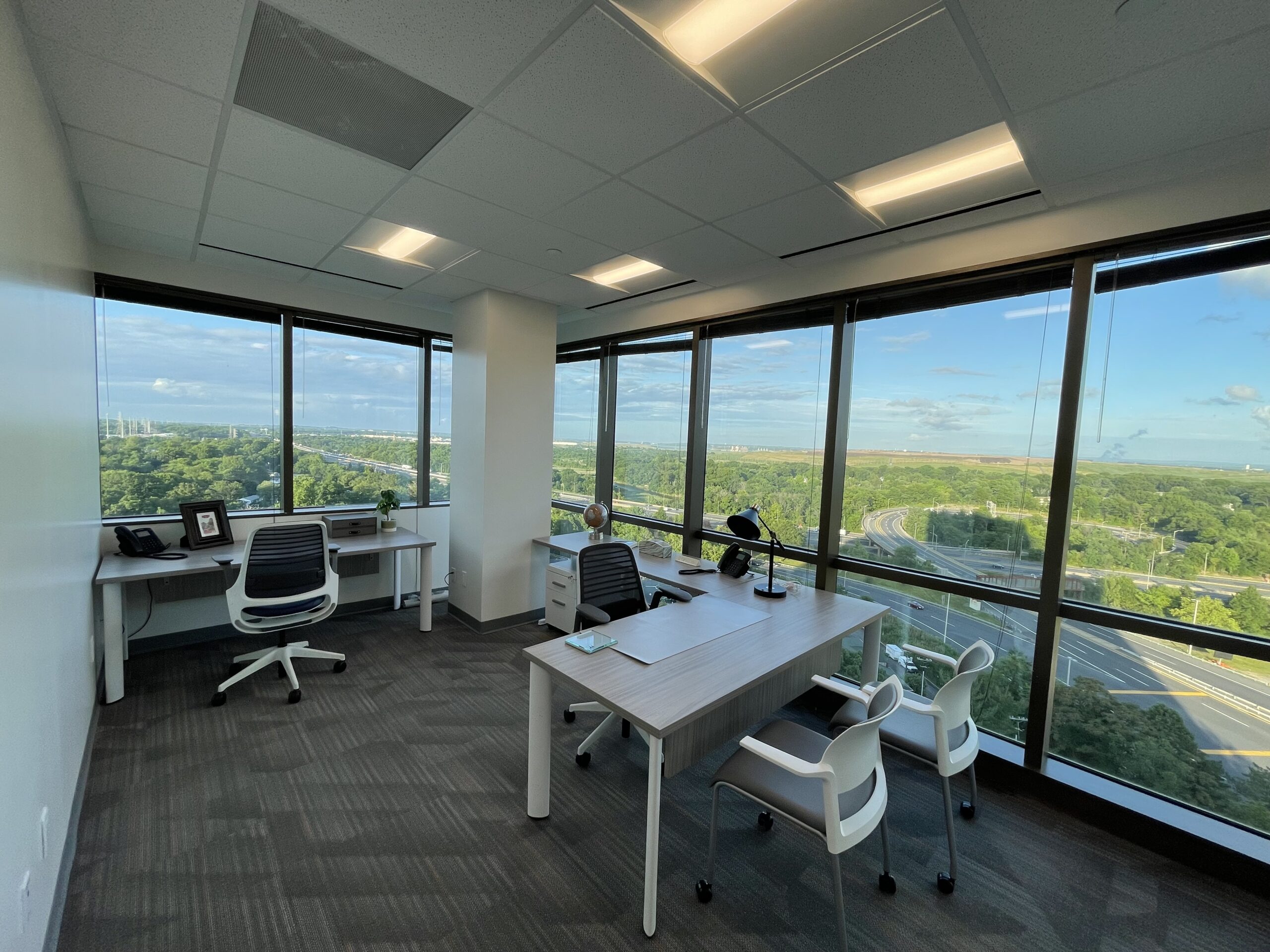
Designing a tax accountant's office space requires a thoughtful approach to create a productive and stress-free environment for professionals to thrive in. A well-designed space can significantly impact the workflow, employee morale, and ultimately, the quality of services provided to clients. According to industry experts, a tax accountant's office space should prioritize functionality, comfort, and organization to support the demands of tax preparation and financial analysis. Streamline Your Tax Business With A Well-Organized Desk
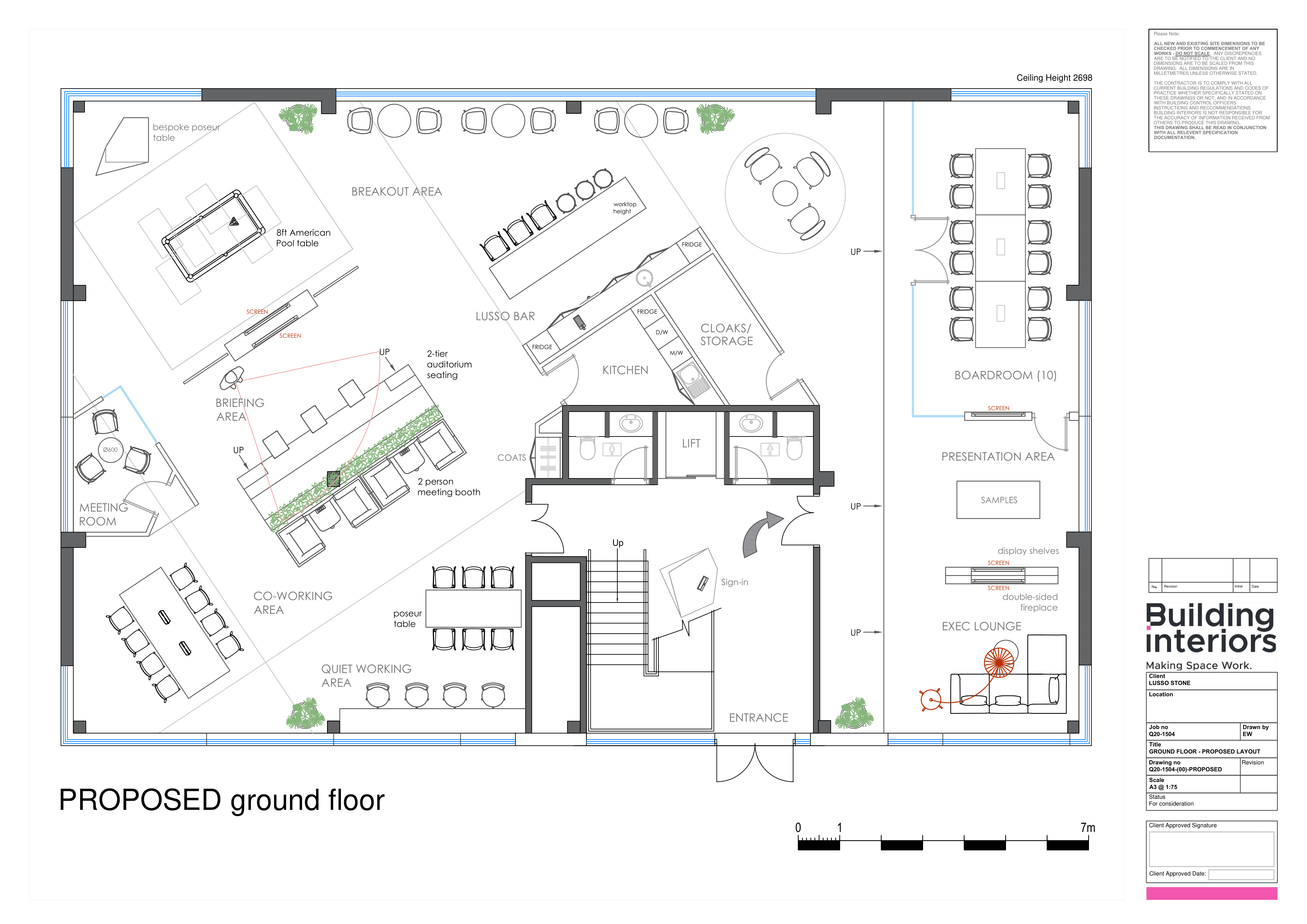
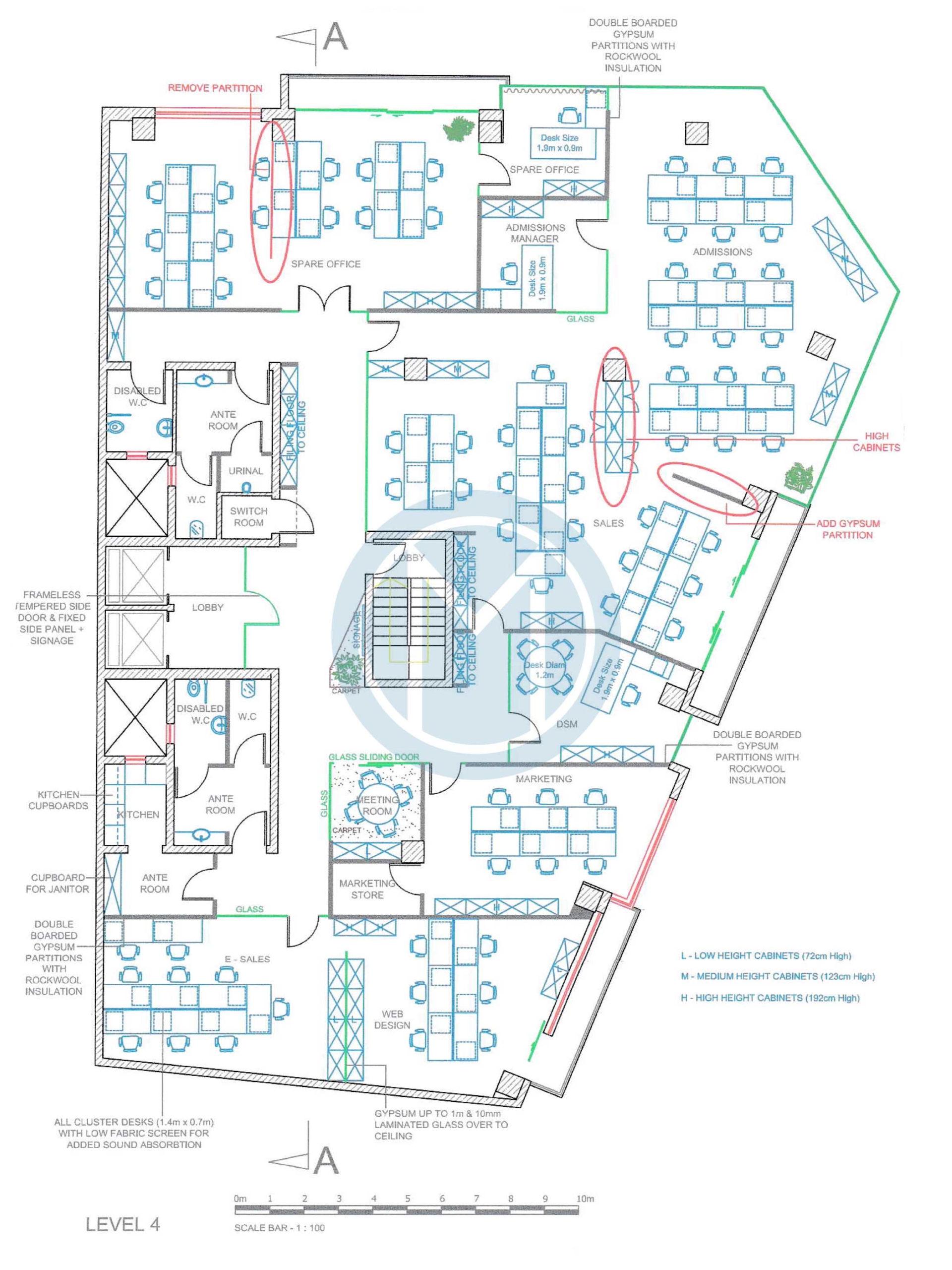
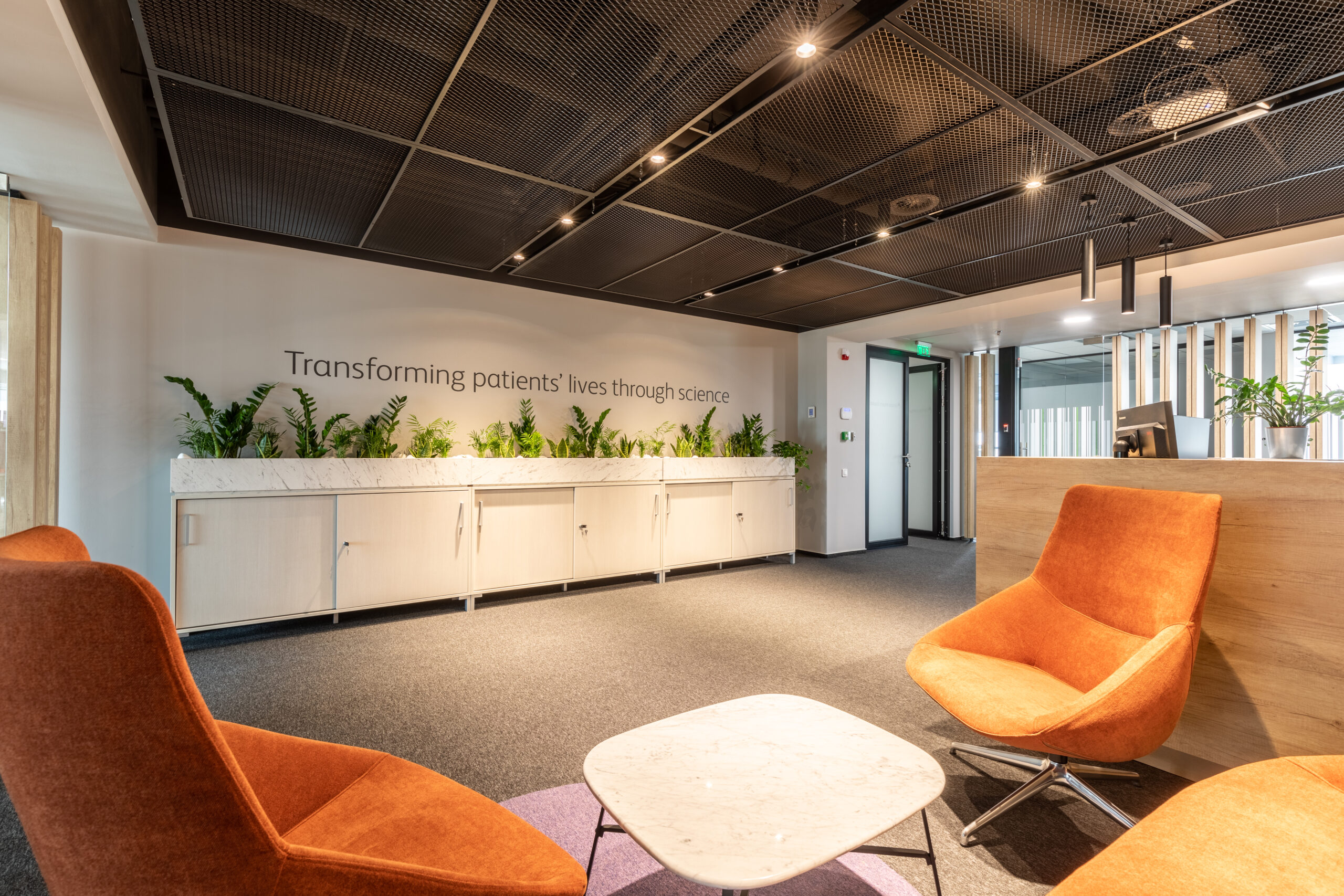
One essential aspect to consider is the incorporation of functional zones, such as designated areas for meeting clients, reviewing financial documents, and utilizing computer equipment. This segmentation can help reduce distractions and enhance efficiency. Additionally, the use of neutral color schemes and natural lighting can create a welcoming atmosphere that fosters trust and confidence with clients. Furthermore, incorporating ergonomic furniture and sound-absorbing materials can minimize noise levels and promote employee well-being.
Effective storage solutions and organization systems are also crucial for tax accountants to efficiently manage paperwork, files, and digital data. 10 Essential Items For A Tax Accountant's Workspace Shelves, cabinets, and secure storage containers can help maintain a clutter-free environment, while also facilitating easy access to important documents. By implementing these expert tips, tax accountants can create a professional and productive office space that reflects their expertise and attention to detail. By investing time and effort into designing a thoughtful and functional office space, tax accountants can elevate their professional image, enhance employee satisfaction, and ultimately, provide superior services to their clients.
A well-designed office space is an investment in the success of the tax accounting practice and a reflection of their commitment to excellence.