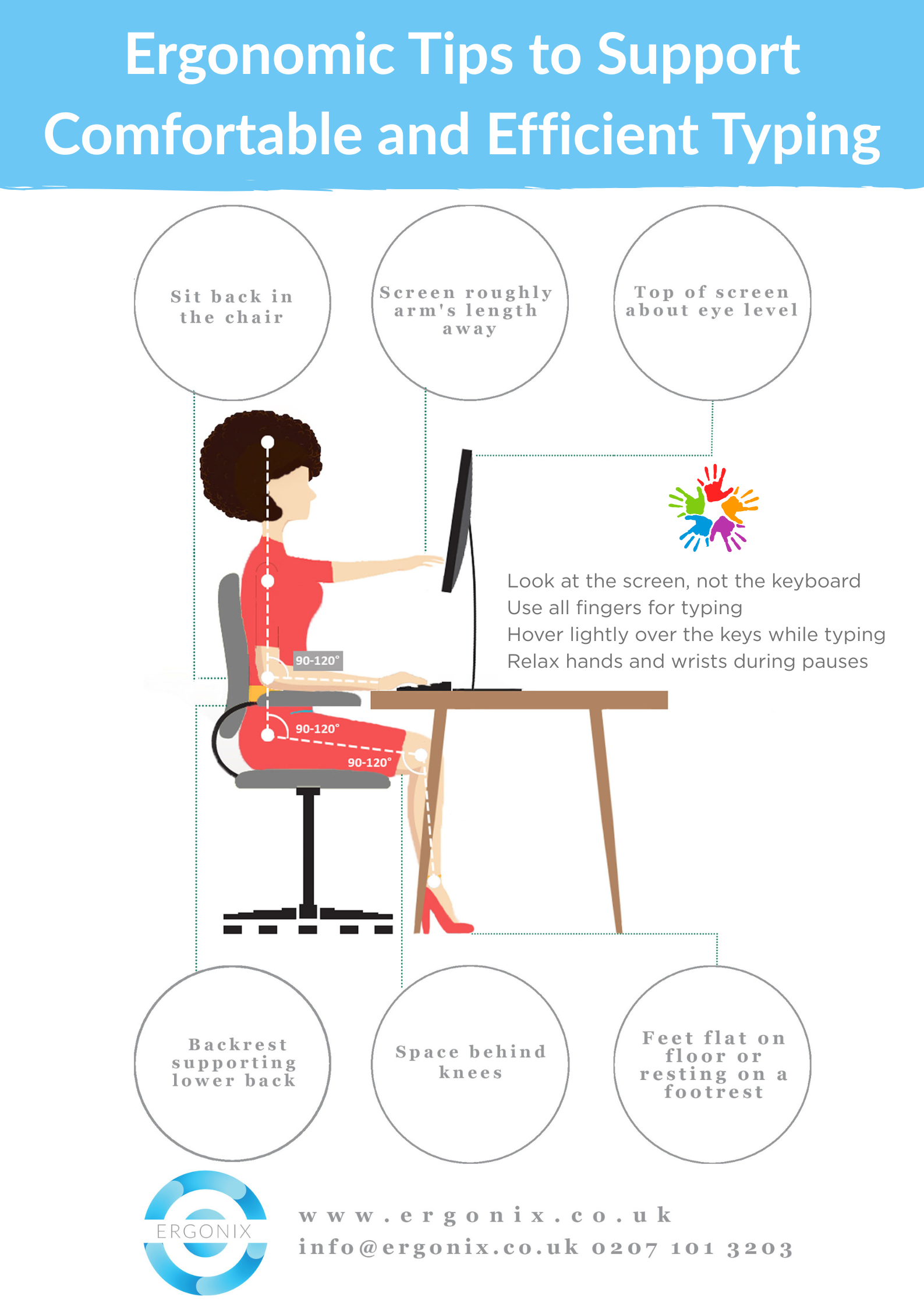
Ergonomic workstations are becoming increasingly important in Nepal as the country's workforce continues to grapple with the challenges of modern work. A well-designed workspace can significantly boost productivity, reduce employee turnover, and even lower the risk of workplace injuries. By incorporating ergonomic elements, organizations in Nepal can create a workspace that supports the physical and mental well-being of their employees, ultimately leading to increased job satisfaction and better overall performance. Minimalist Desk Setup Trends In Kathmandu
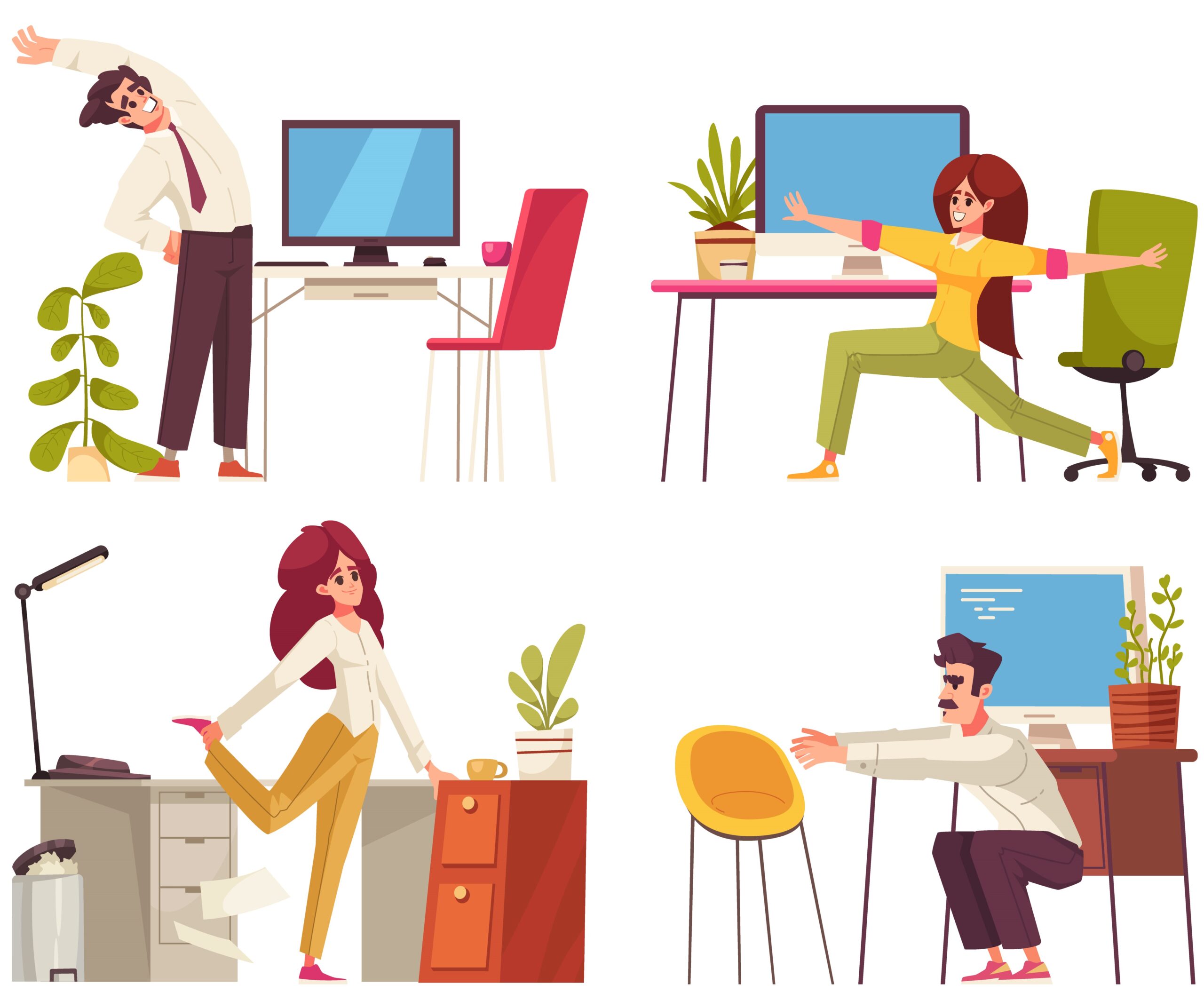
A significant portion of the Nepalese workforce experiences back pain, neck strain, and other musculoskeletal disorders due to poorly designed workspaces. This is often attributed to inadequate furniture, prolonged sitting, and inadequate workstation setup. However, by implementing ergonomic workstations, employers can mitigate these issues and promote a healthy work environment. Ergonomic workstations in Nepal can be tailored to suit various industries, including software development, finance, and healthcare.
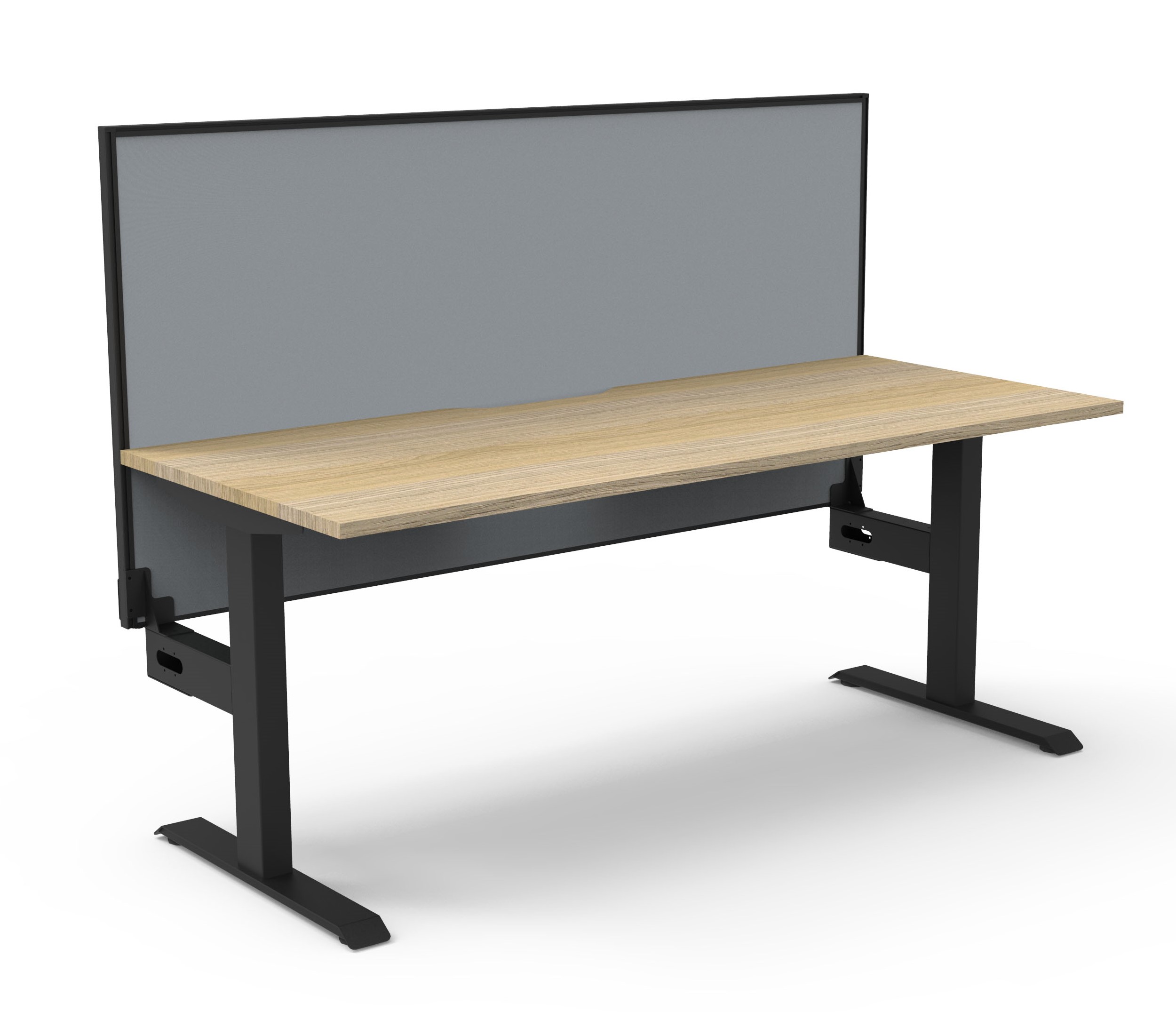
By introducing ergonomic elements such as adjustable sit-stand desks, specialized chairs, and height-adjustable tables, employees can work comfortably without compromising their well-being. Nepal's Best Desk Setup Ideas For A Home Office Besides improving employee health, ergonomic workstations also have a positive impact on productivity. When employees are comfortable, they can focus on their work, make fewer mistakes, and deliver high-quality output within the allotted time. In Nepal, organizations that invest in ergonomic workstations often experience significant improvements in employee morale, reduced absenteeism, and better teamwork.
Moreover, a well-designed workspace can also contribute to organizations' competitive edge, as employees are more likely to stay with a company that values and cares for their well-being. As Nepal's workforce continues to evolve, so will the importance of ergonomic workstations. Innovative Workspace Design In Nepal: A Guide By prioritizing employee well-being and introducing ergonomic design elements, organizations in Nepal can reap long-term benefits in terms of productivity, employee satisfaction, and competitiveness in the job market.