Ergonomic Tax Professional Workspace Ideas A poorly designed workspace can take a toll on tax professionals, leading to fatigue, discomfort, and decreased productivity. As tax season approaches, it's essential to create an ergonomic workspace that promotes comfort and efficiency. A well-designed workspace can help tax professionals stay focused, accurate, and compliant with deadlines. Improve Your Child's Focus With A Thoughtful Study Corner Setup
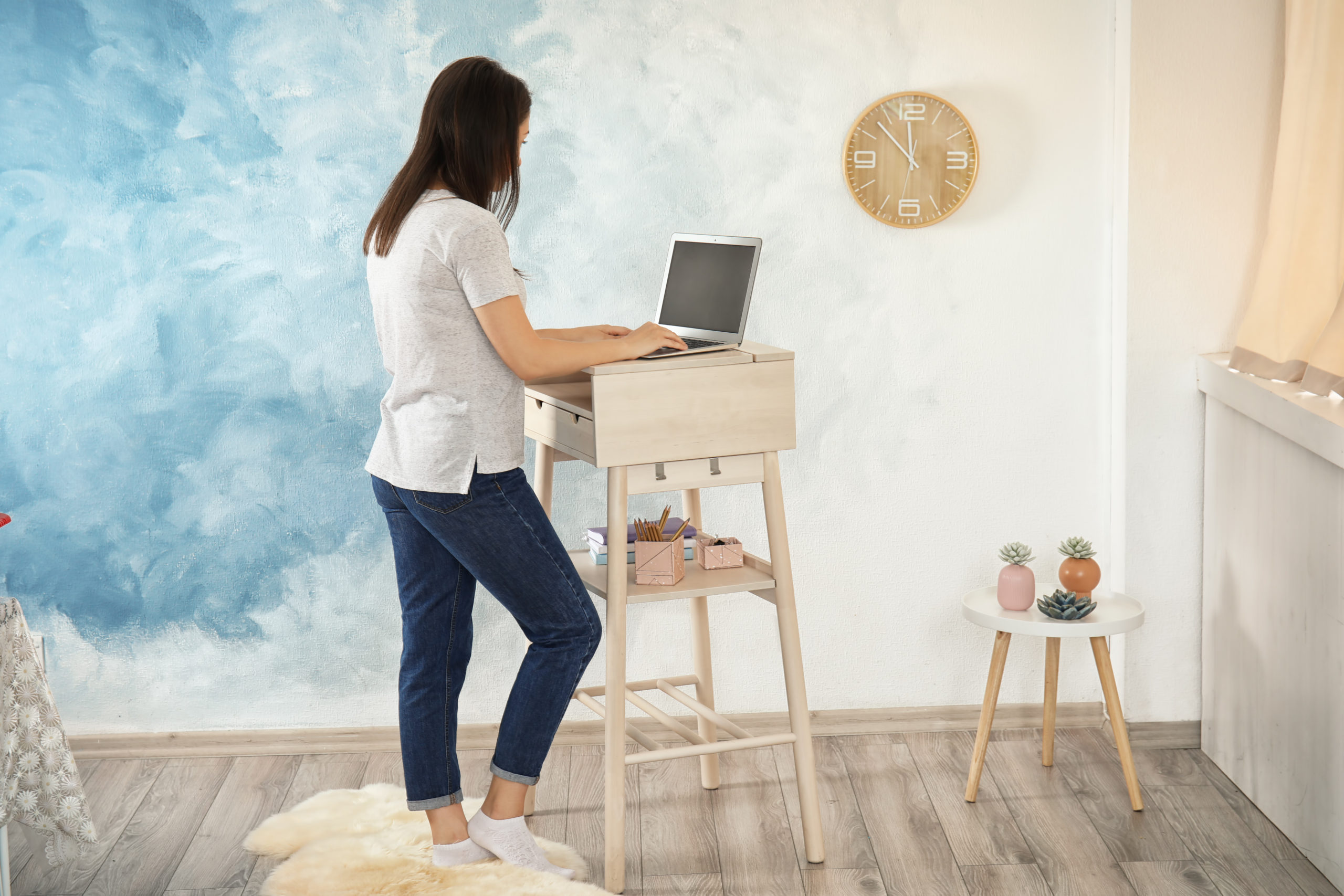
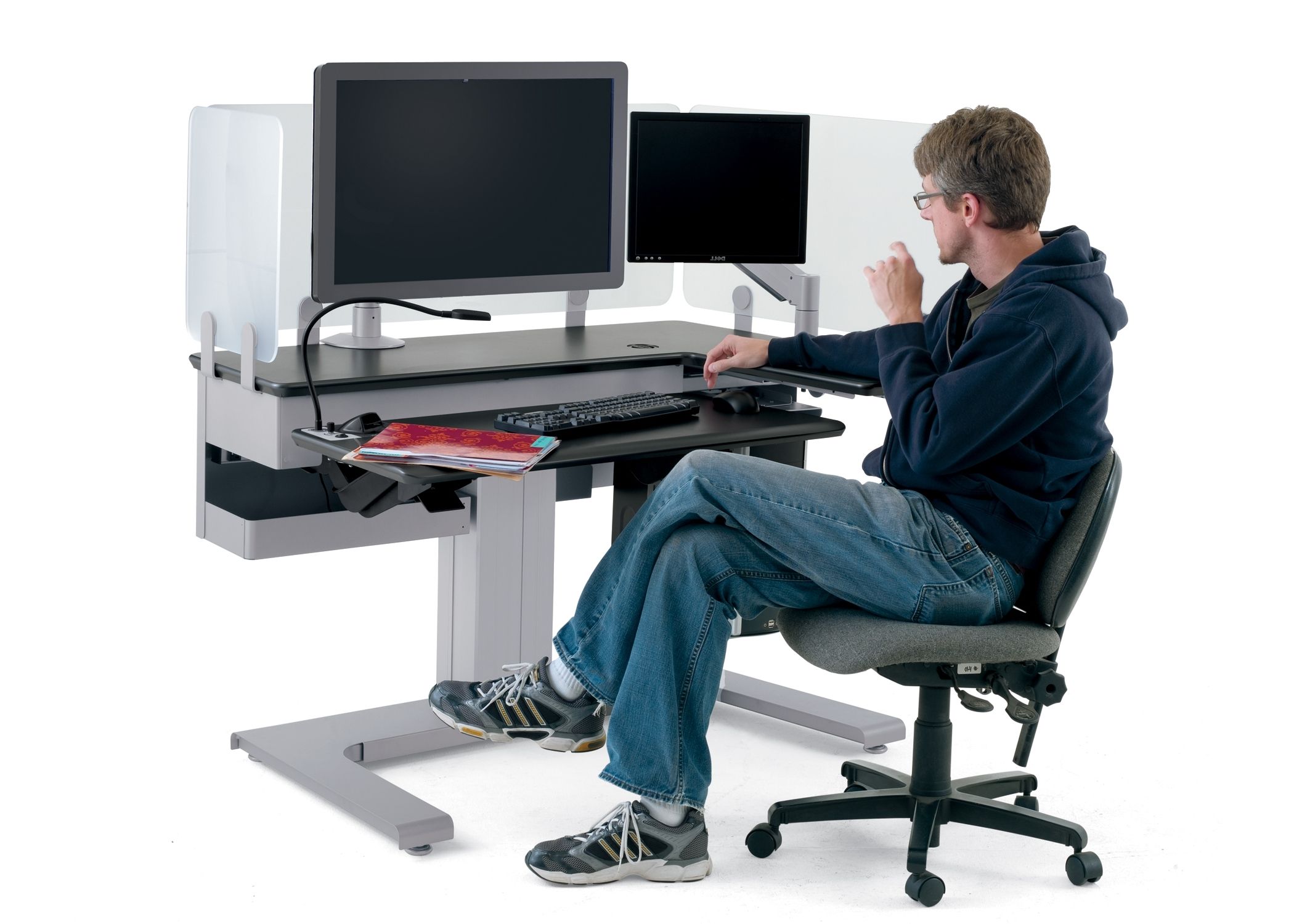
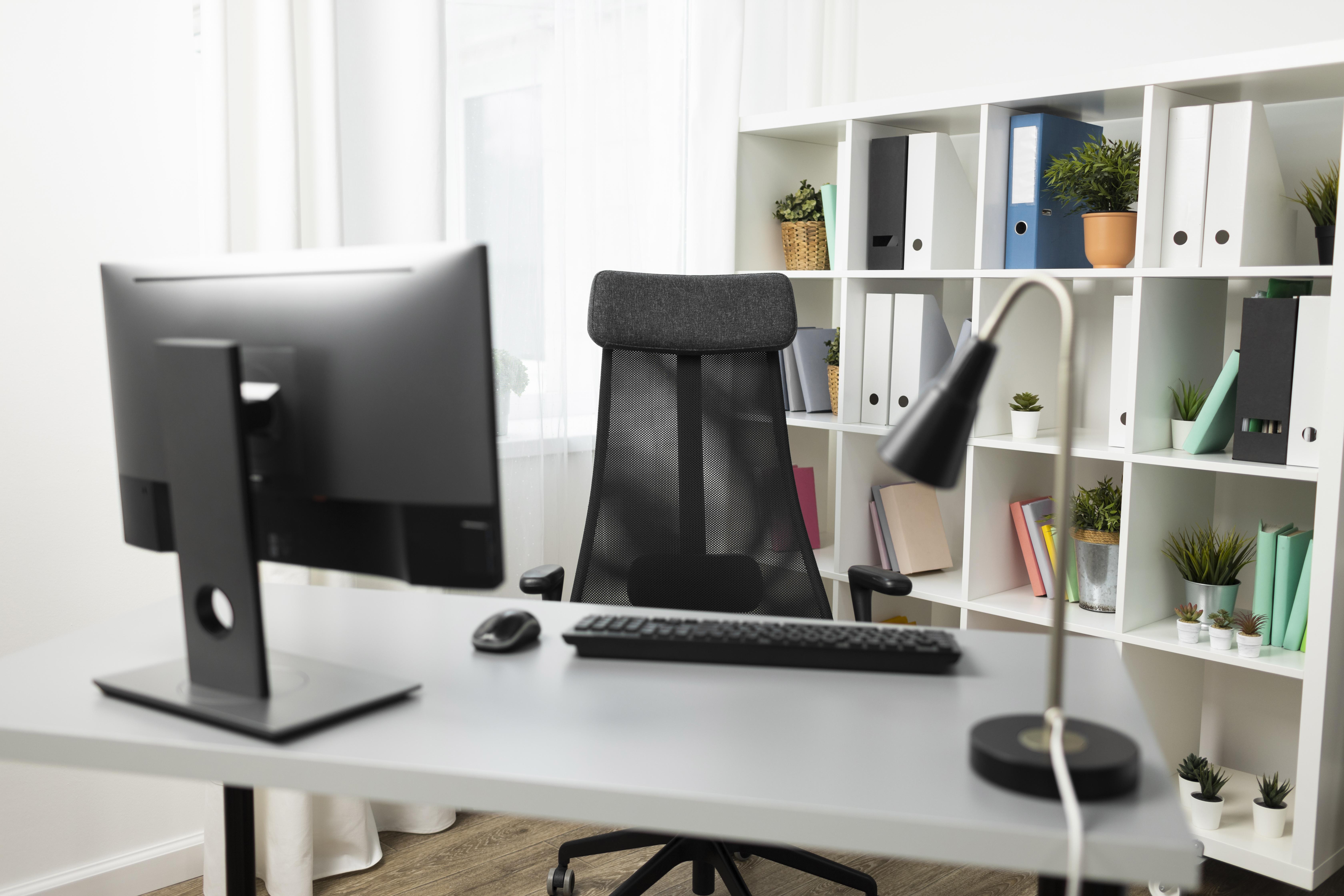
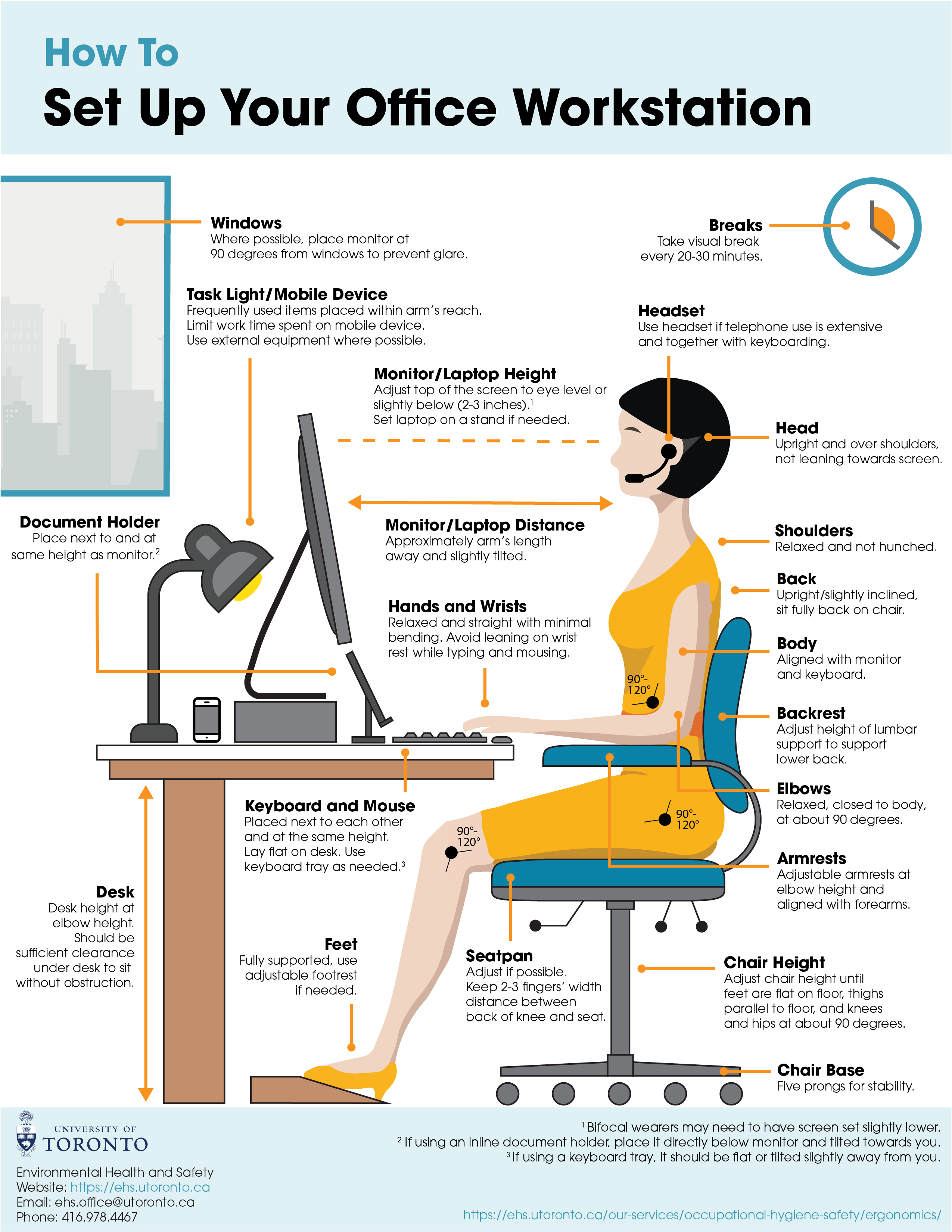
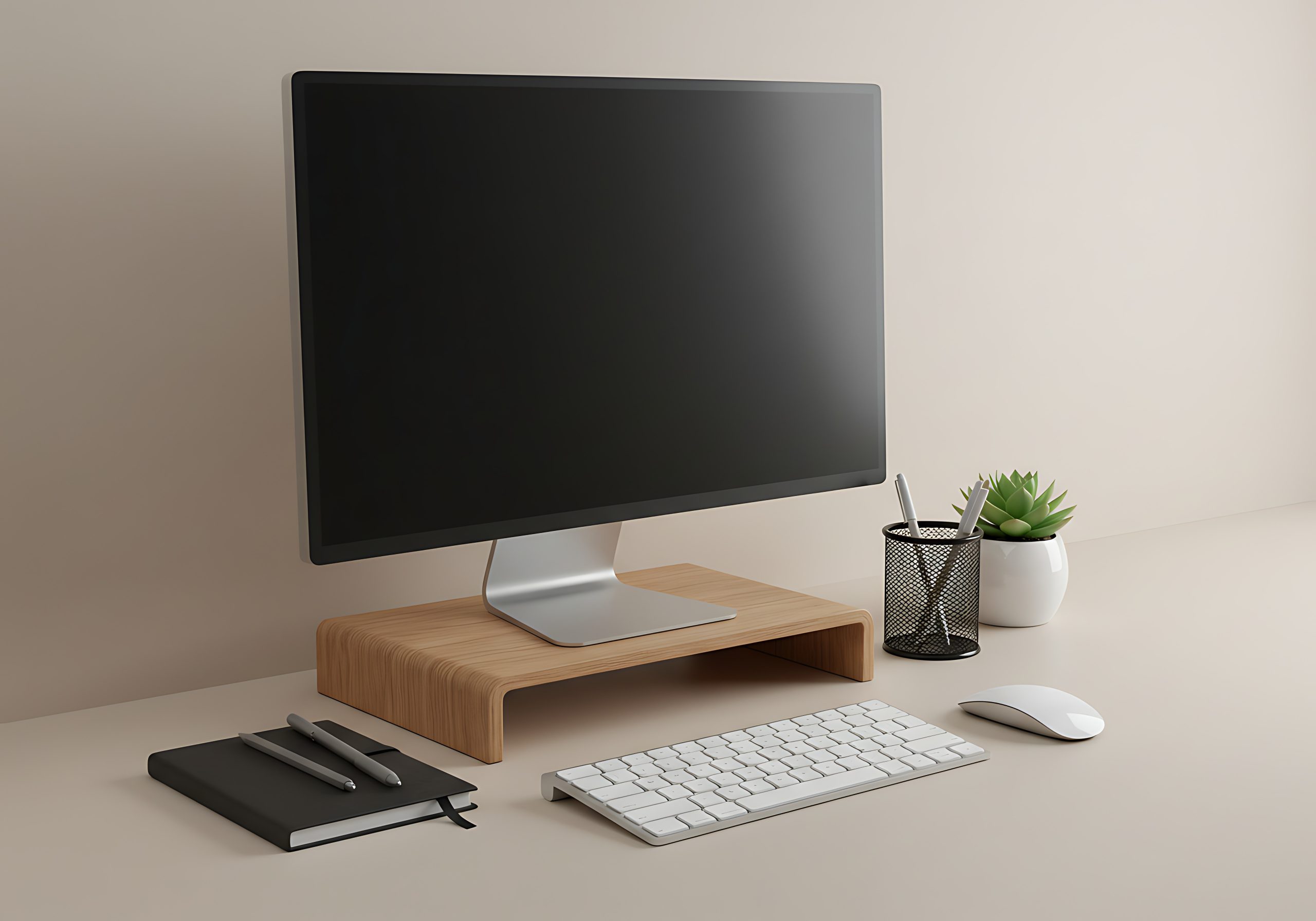
By incorporating ergonomic principles, tax professionals can reduce eye strain, back pain, and other musculoskeletal disorders. When designing an ergonomic workspace, consider investing in an adjustable desk or riser to accommodate different tasks and activities. For example, a sit-stand desk can be beneficial for tax professionals who spend long hours reviewing documents or typing away on their computers. Additionally, incorporating a comfortable and ergonomic office chair, such as a breathable mesh chair with lumbar support, can help reduce the risk of back pain and numbness.
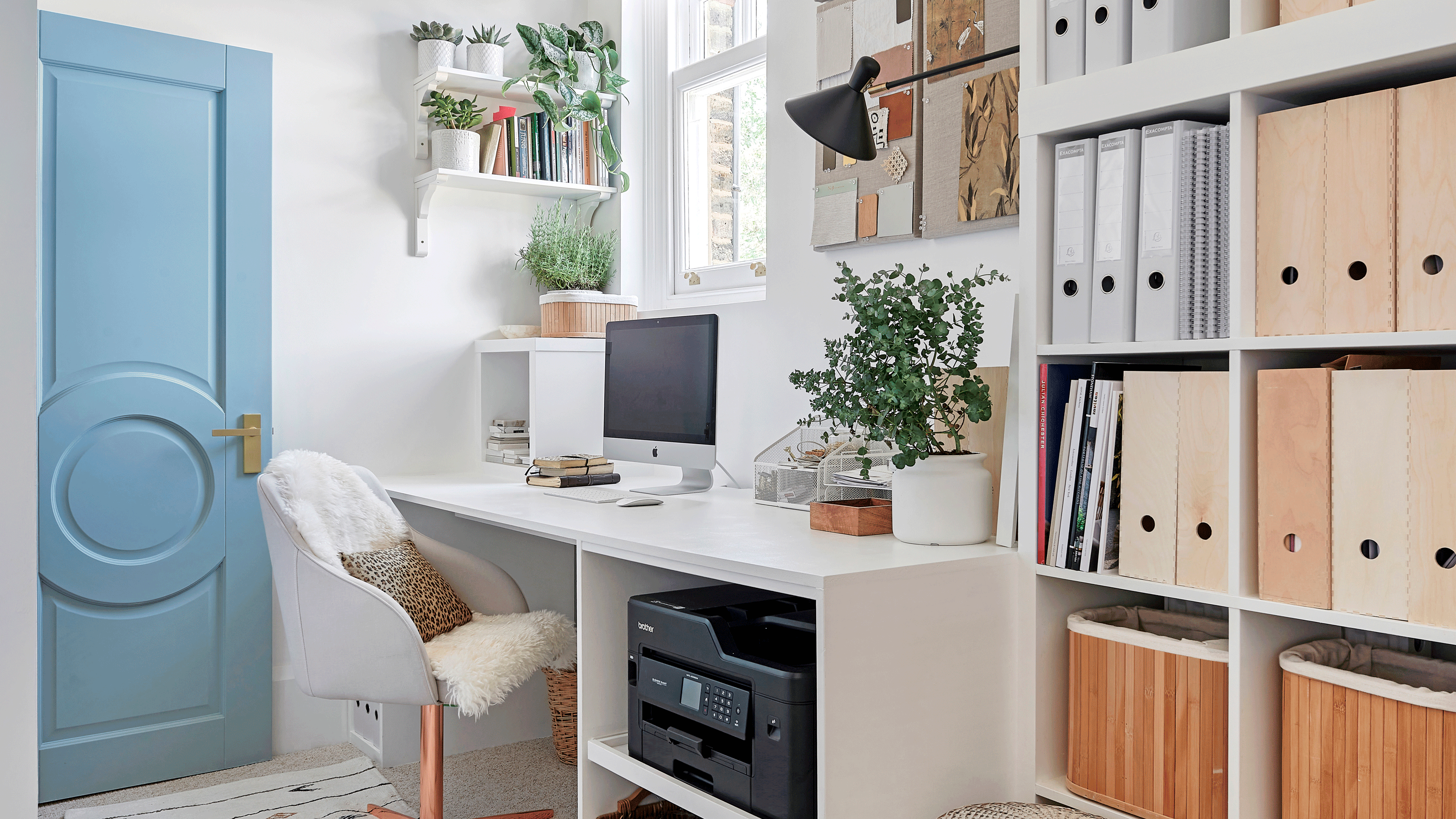
Another essential consideration is the placement of frequently used items, such as calculators, references, and office supplies. Maximize Your Bedroom Space: Fifth Grade Study Corner Setup Tips Tax professionals often rely on these items for accuracy and efficiency, so it's crucial to position them within easy reach to minimize movement and distractions. Consider placing frequently used items in a designated area, such as a drawer or adjacent to the workspace, to prevent clutter and maintain a clear workspace. By prioritizing ergonomic principles, tax professionals can create a workspace that not only supports their physical well-being but also enhances their productivity and accuracy during the busy tax season.
An ergonomic workspace can be a game-changer for tax professionals, leading to improved job satisfaction, reduced errors, and increased efficiency.