Designing a workspace that balances form and functionality is a delicate yet essential task for any individual or organization seeking to boost productivity, creativity, and overall employee satisfaction. When it comes to creating a workspace that looks great while also meeting the needs of its occupants, the key lies in striking a perfect balance between aesthetics and usability. A well-designed workspace that seamlessly integrates form and functionality can significantly enhance an individual's focus and efficiency. Boost Your Productivity With A Thoughtfully Designed Laptop Workspace
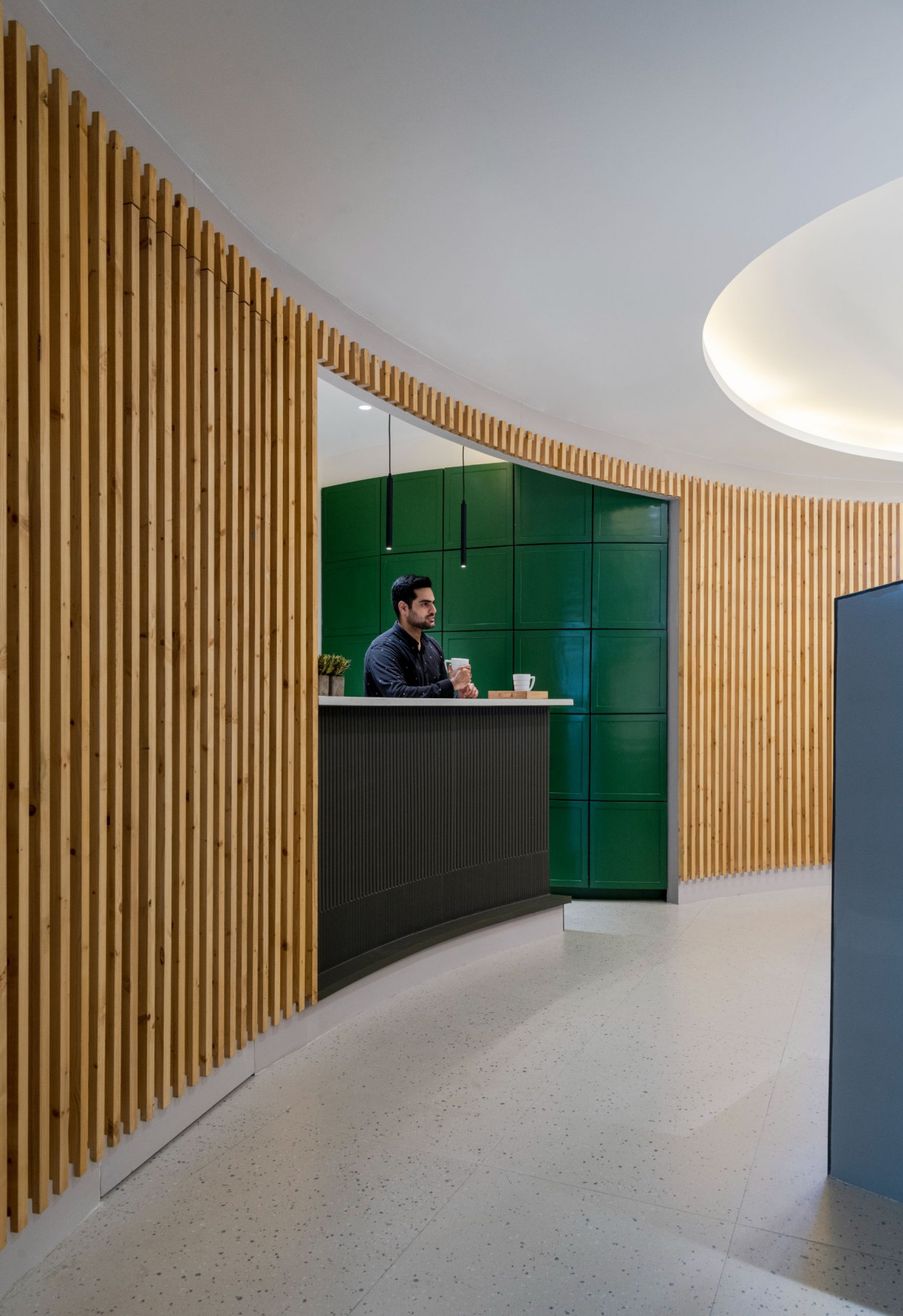
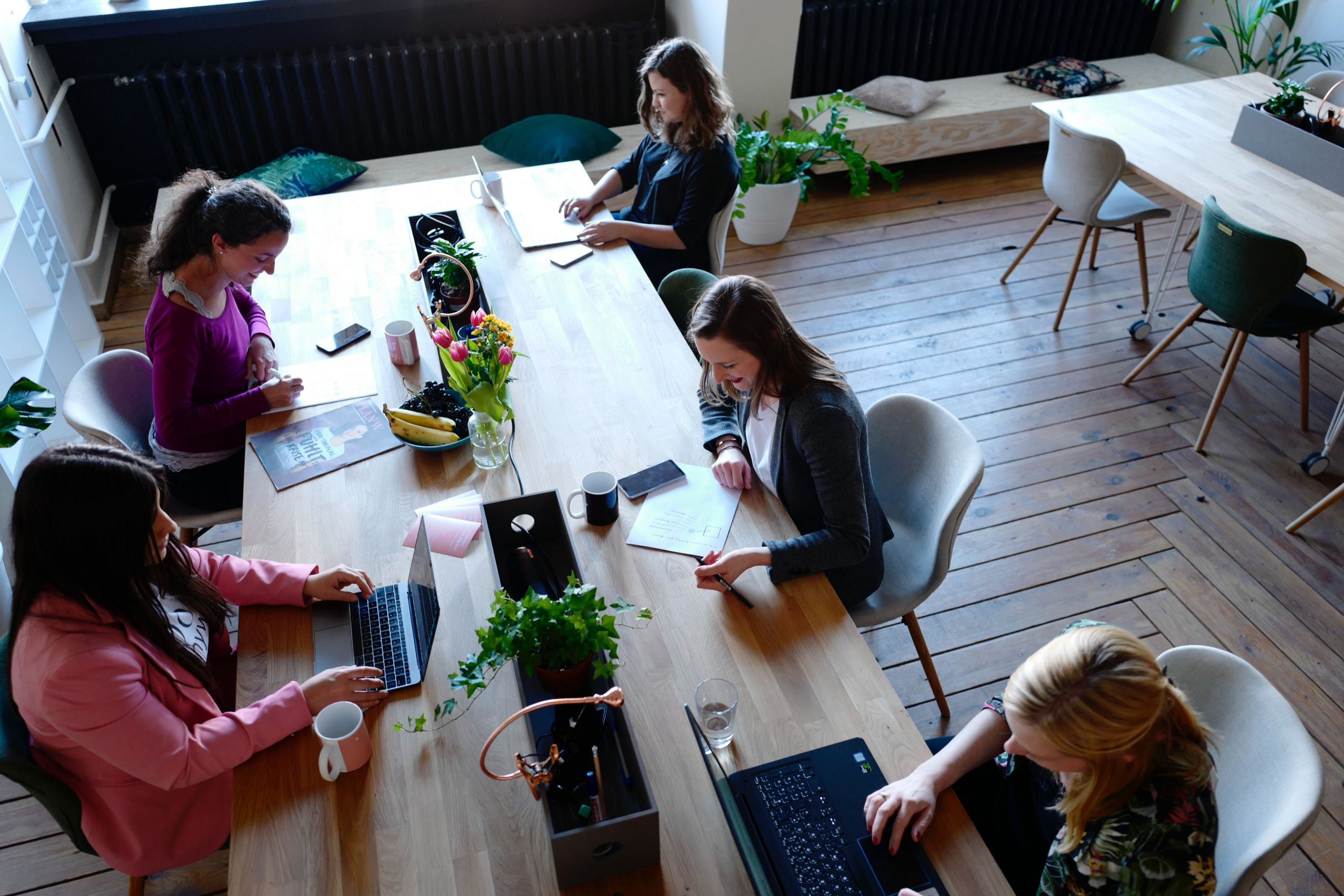
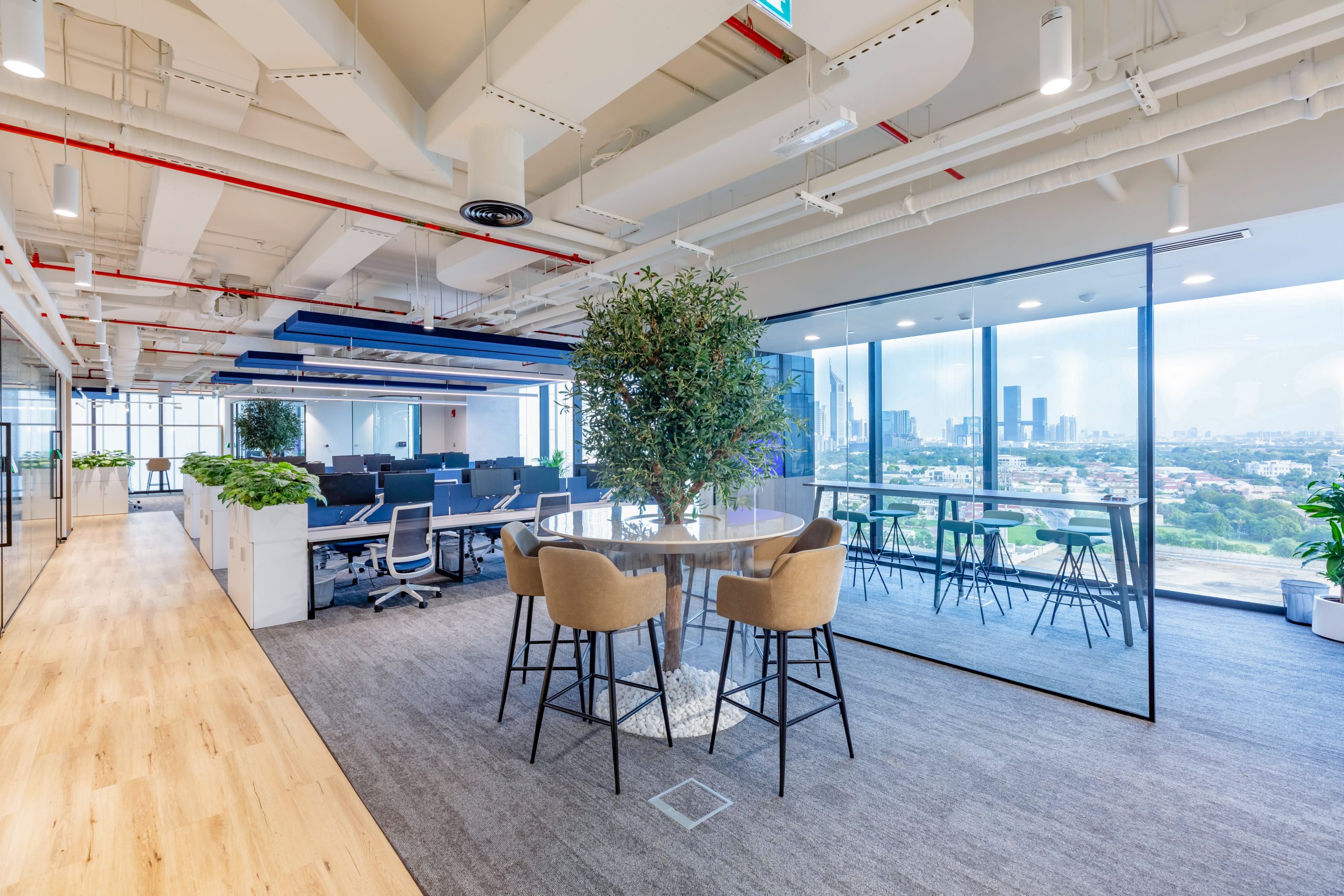
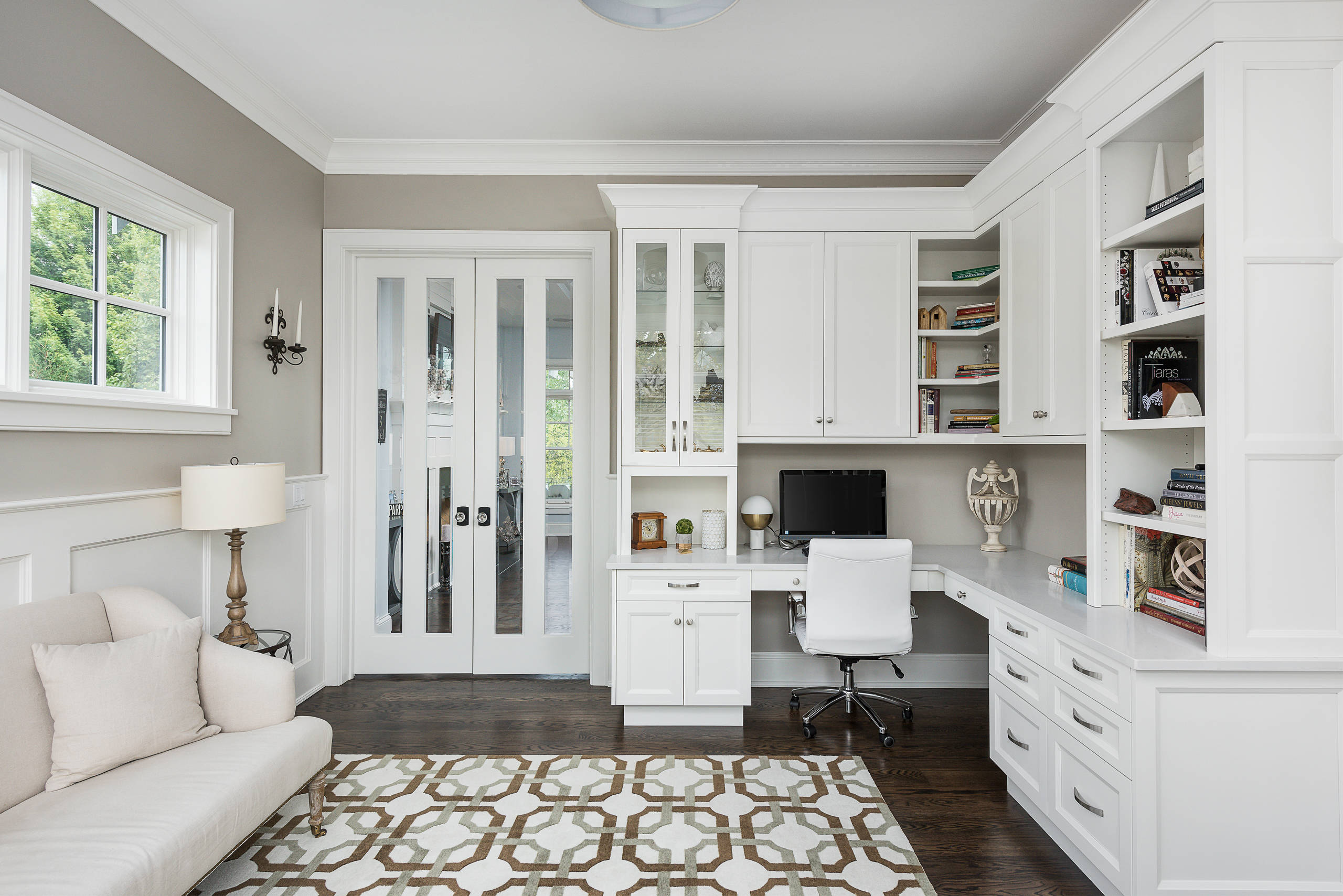
For instance, a minimalist office with an open floor plan can foster collaboration and communication among team members, while the incorporation of innovative storage solutions and ergonomic furniture can reduce stress and improve overall well-being. By thoughtfully selecting and arranging the right design elements, businesses can create a workspace that not only looks beautiful but also promotes a positive and productive work environment. To achieve this balance, it's essential to consider the needs and preferences of the workspace's occupants. This may involve researching and selecting furniture that meets specific ergonomic and functional requirements, as well as carefully incorporating visual elements such as artwork, plants, and color schemes to create a welcoming atmosphere.
By combining form and function in a thoughtful and intentional way, businesses can create a workspace that looks great while also supporting the well-being and success of its occupants. 5 Game-Changing Desk Setup Ideas For Ultimate Bed Productivity Ultimately, designing a workspace that balances form and functionality requires a thoughtful and multi-faceted approach that takes into account both the aesthetic and usability needs of its occupants. By prioritizing both form and function, businesses can create a workspace that not only looks beautiful but also supports a positive and productive work environment.



.jpg)