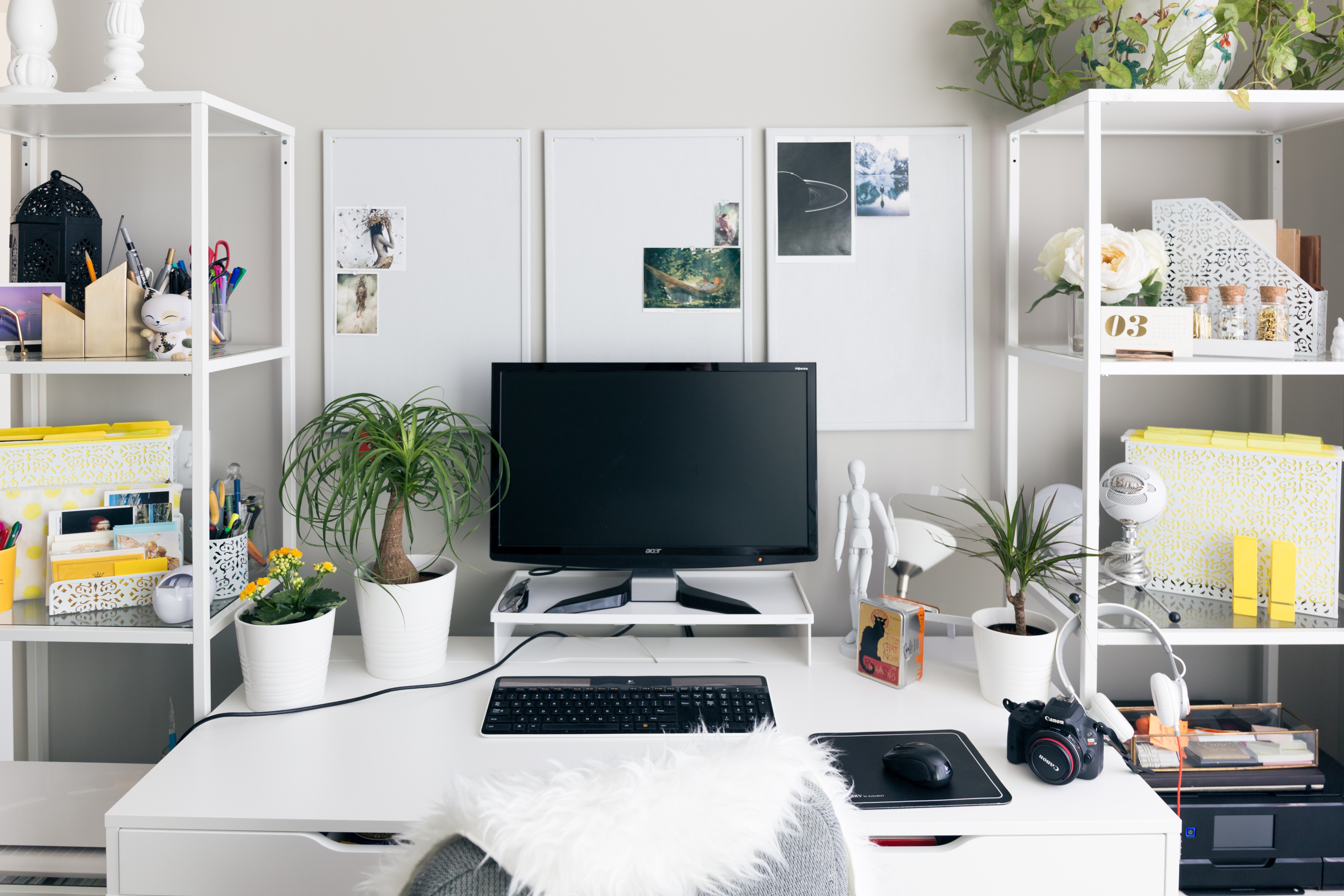
As a Linux user, setting up a productive home office requires the right tools to maximize efficiency and streamline tasks. A well-equipped Linux home office can help you stay organized, focused, and productive, allowing you to tackle complex projects with ease. To achieve this, you'll need a combination of software and applications that cater to your specific needs. Transform Your Workspace With A Customized Linux Desk Setup
Here are five must-have tools for a productive Linux home office. First and foremost, a reliable text editor is essential for any home office setup. A good text editor should be able to handle multiple file formats, syntax highlighting, and code completion. Some popular options include Sublime Text, Atom, and Visual Studio Code, all of which are available on Linux.
These editors provide a seamless writing experience, allowing you to focus on your work without distractions. Jon Imperial's Top Picks For Essential Desk Gadgets And Tools Additionally, they often come with plugins and extensions that can enhance your productivity, such as code completion and project management tools. Another crucial tool for a productive Linux home office is a task management system. Tools like Trello, Asana, and Todoist help you organize your tasks, set deadlines, and collaborate with team members.
These applications enable you to prioritize your work, break down large projects into manageable tasks, and track your progress. By using a task management system, you can stay on top of your work and meet deadlines with ease. Ergonomic Essentials For A Perfect Linux Workspace A good Linux home office also requires a reliable note-taking application. Tools like Evernote, Simplenote, and Zim provide a centralized platform for storing notes, ideas, and research.
These applications allow you to organize your thoughts, create to-do lists, and access your notes from anywhere. By using a note-taking application, you can keep your ideas and research organized, making it easier to reference and build upon them. Finally, a Linux home office wouldn't be complete without a screen recording and capture tool. Tools like OBS Studio, FFmpeg, and Kazam enable you to record your screen, capture screenshots, and create tutorials.
These applications are essential for creating.
![The Solopreneurs Guide to a Productive Home Office [Infographic]](https://chrisducker.com/wp-content/uploads/2015/01/Solopreneur-Productive-Home-Office.png)